1Up on the roof
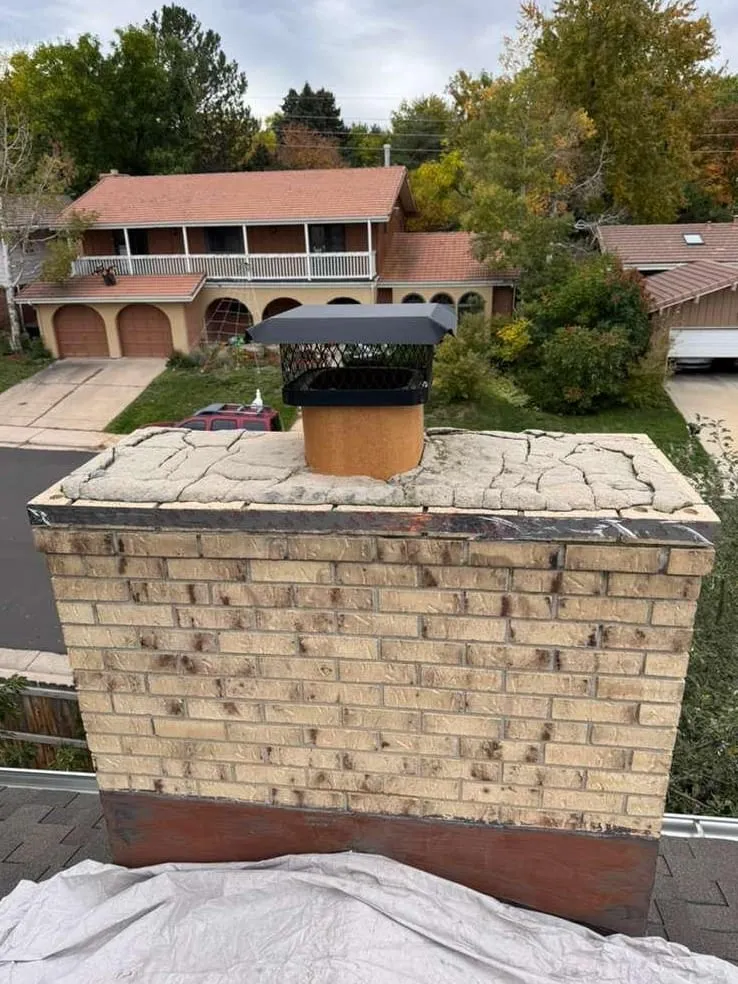
Cap
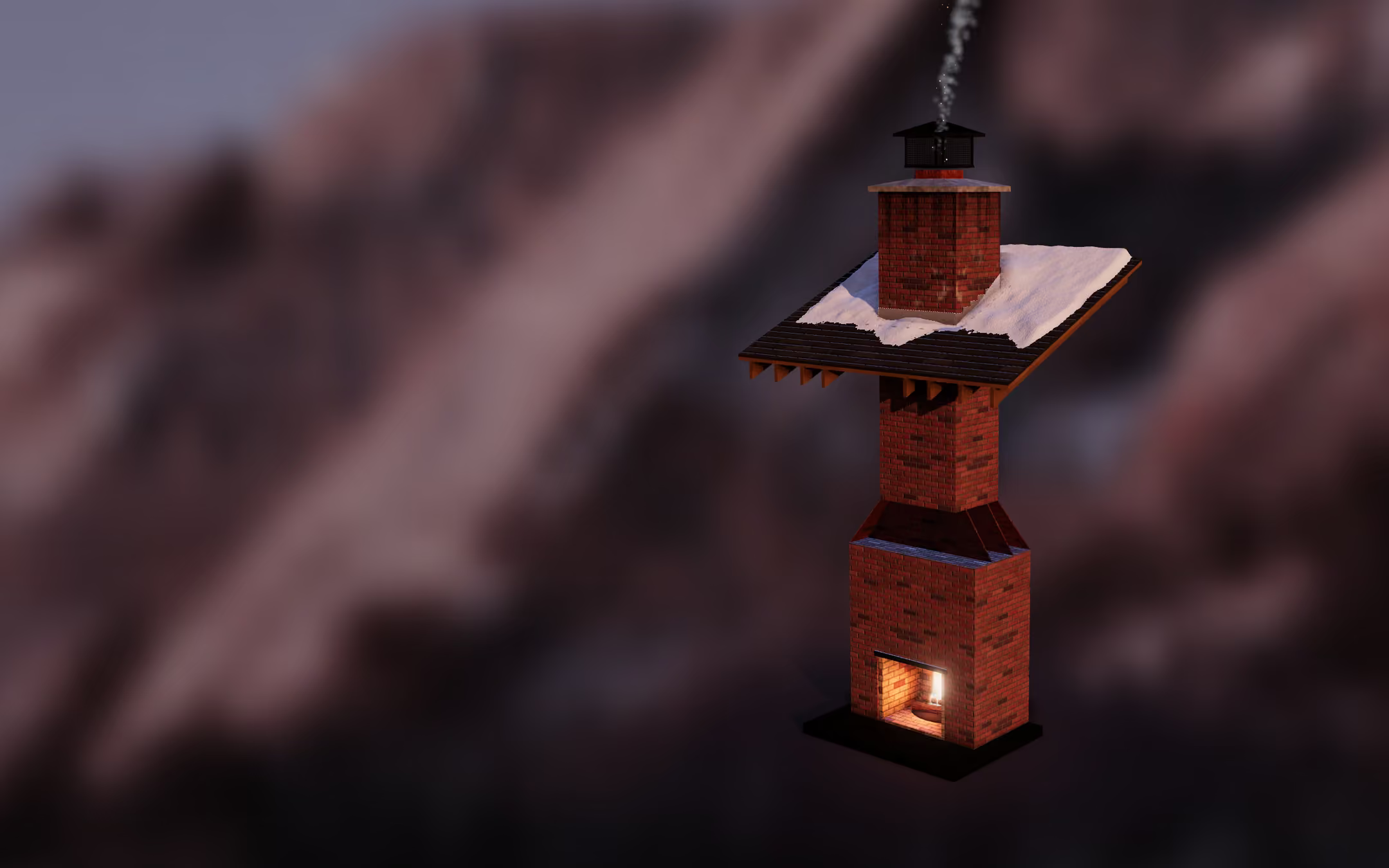
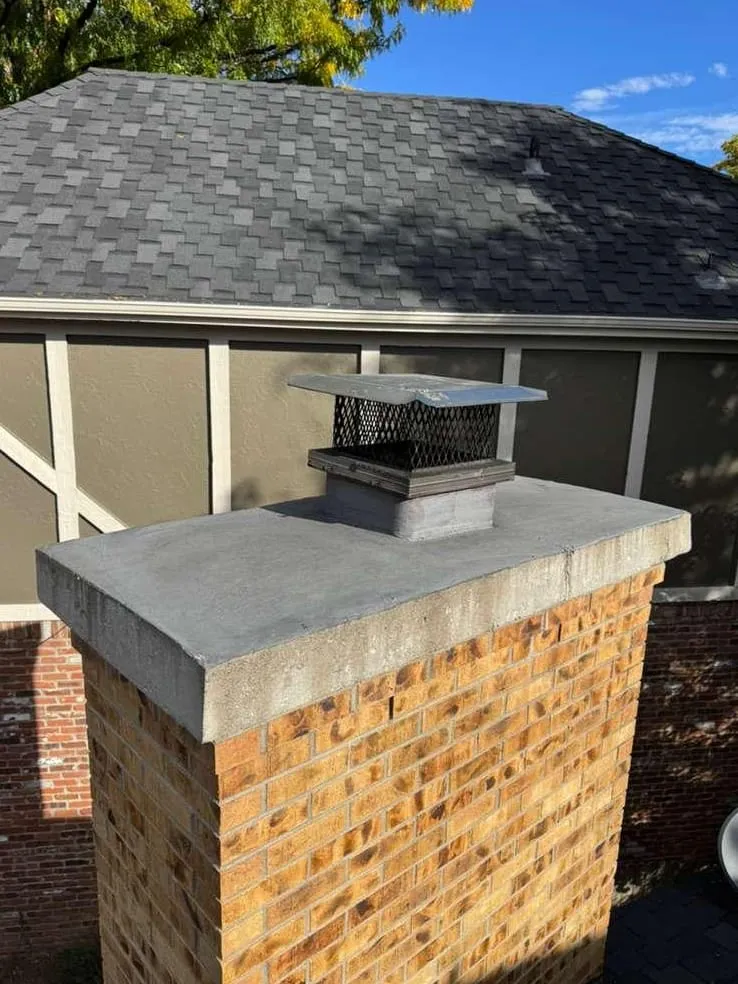
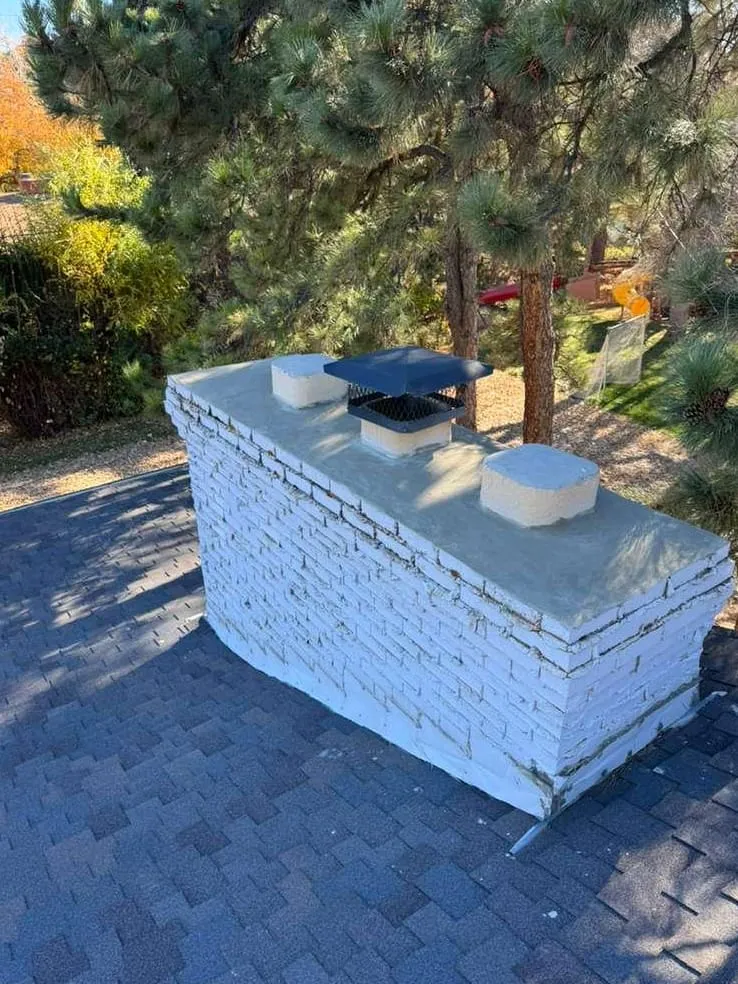
Snow, sun and hail meet the cap before anything else. Under its lid, a mesh holds embers in and keeps nesting animals out.
We check: hail dents, mesh that has come loose, rust on the lid and its joins.
Next: CrownCalls are answered Sunday to Saturday, 7 AM until 9 PM. The form takes a request whenever you send it.
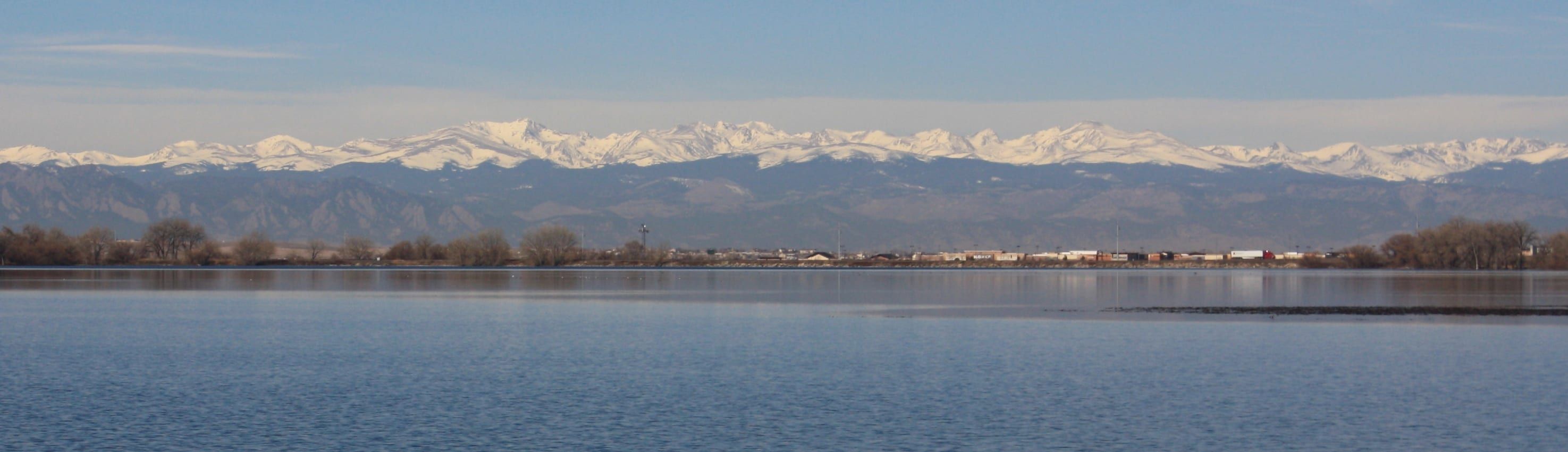
A planned Adams County city about ten miles north of the Colorado State Capitol, where homes date from the 1950s up to new construction.
Photo: David Herrera, CC BY 2.0
Pick a part to see what we look at, and what hard freezes, wet snow and dry air do to it north of Denver.
Begin on the roof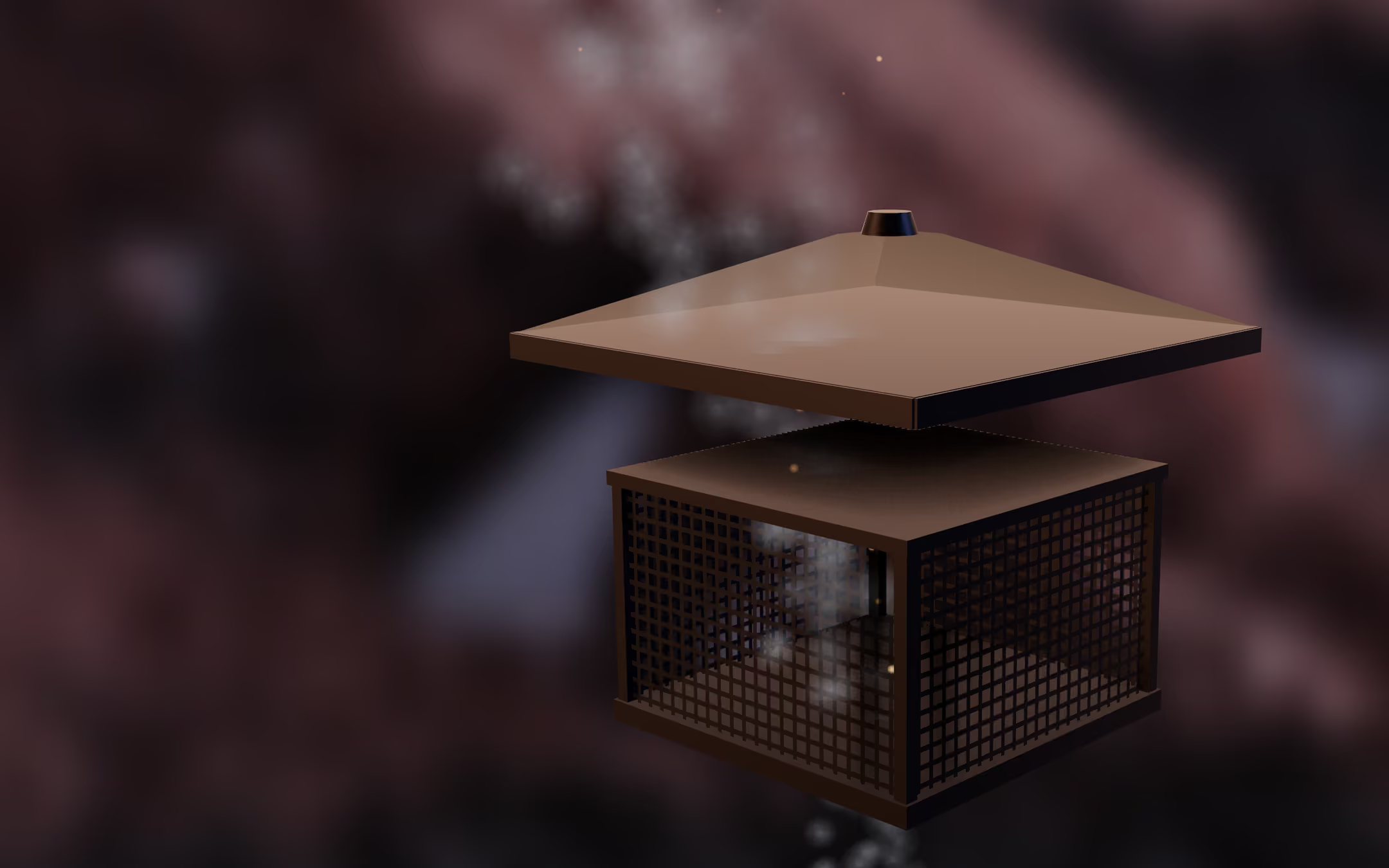
1Up on the roof
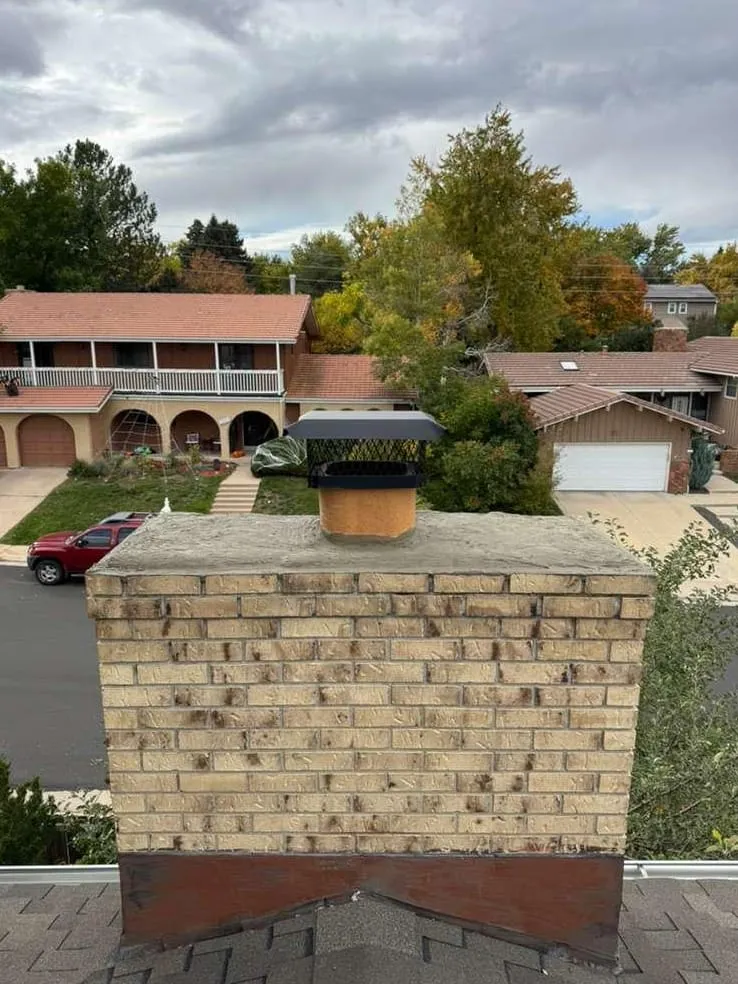
Snow, sun and hail meet the cap before anything else. Under its lid, a mesh holds embers in and keeps nesting animals out.
We check: hail dents, mesh that has come loose, rust on the lid and its joins.
Next: Crown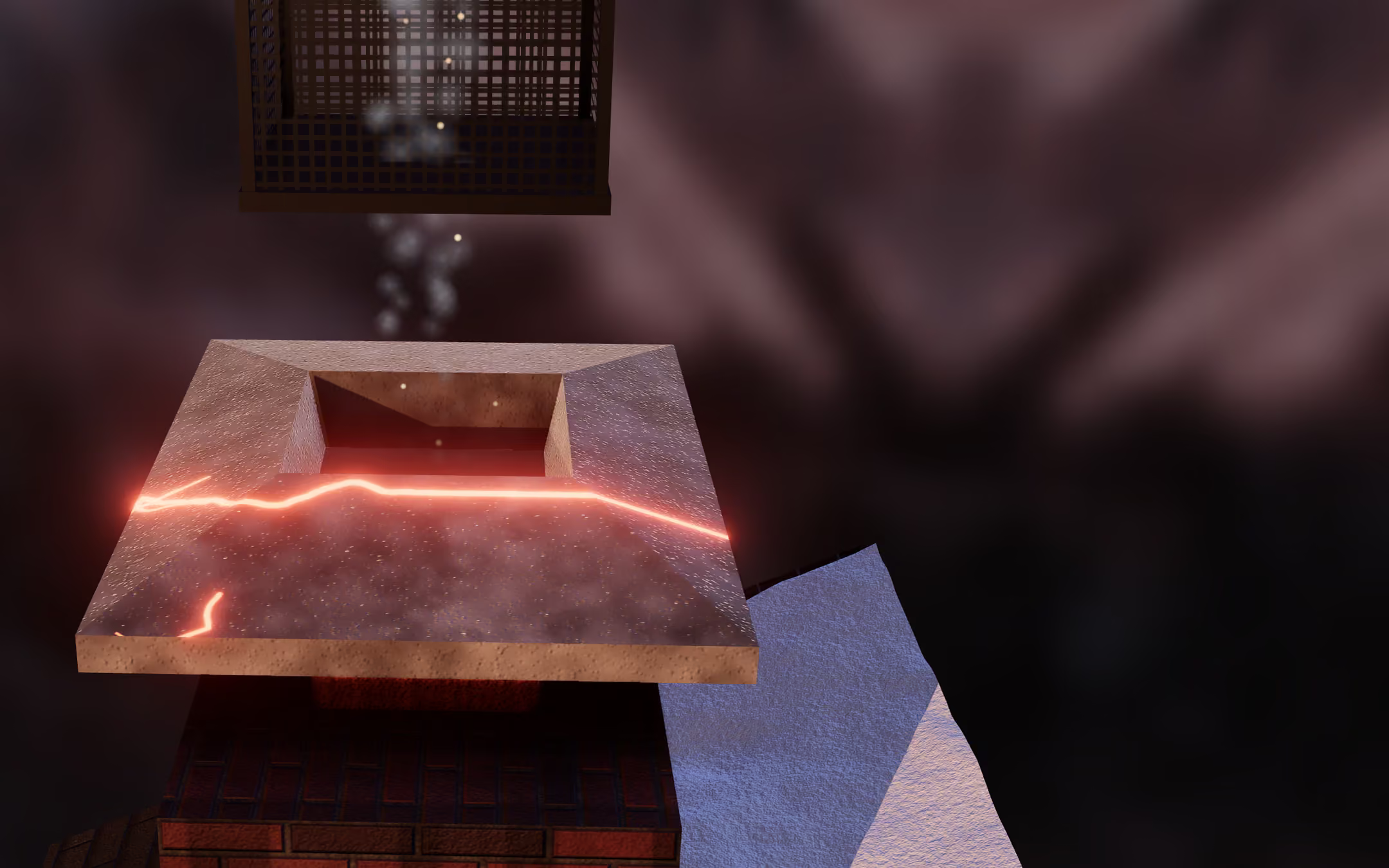
2Right under the cap
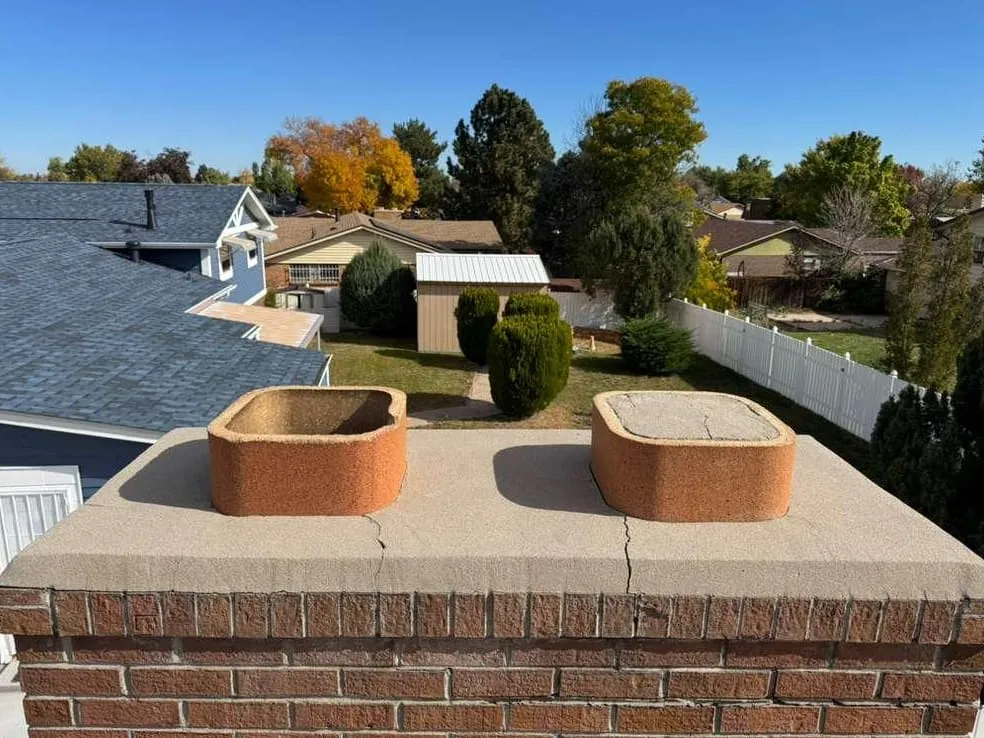
Hairline cracks start here. At the Northglenn station, about 2.5 miles from the Thornton Civic Center, a normal January runs from a 19.0°F low to a 48.0°F high, so water that seeps into a seam at noon can be ice again by dawn.
We check: hairline cracks, crumbling corners, a gap between slab and flue.
Next: Flashing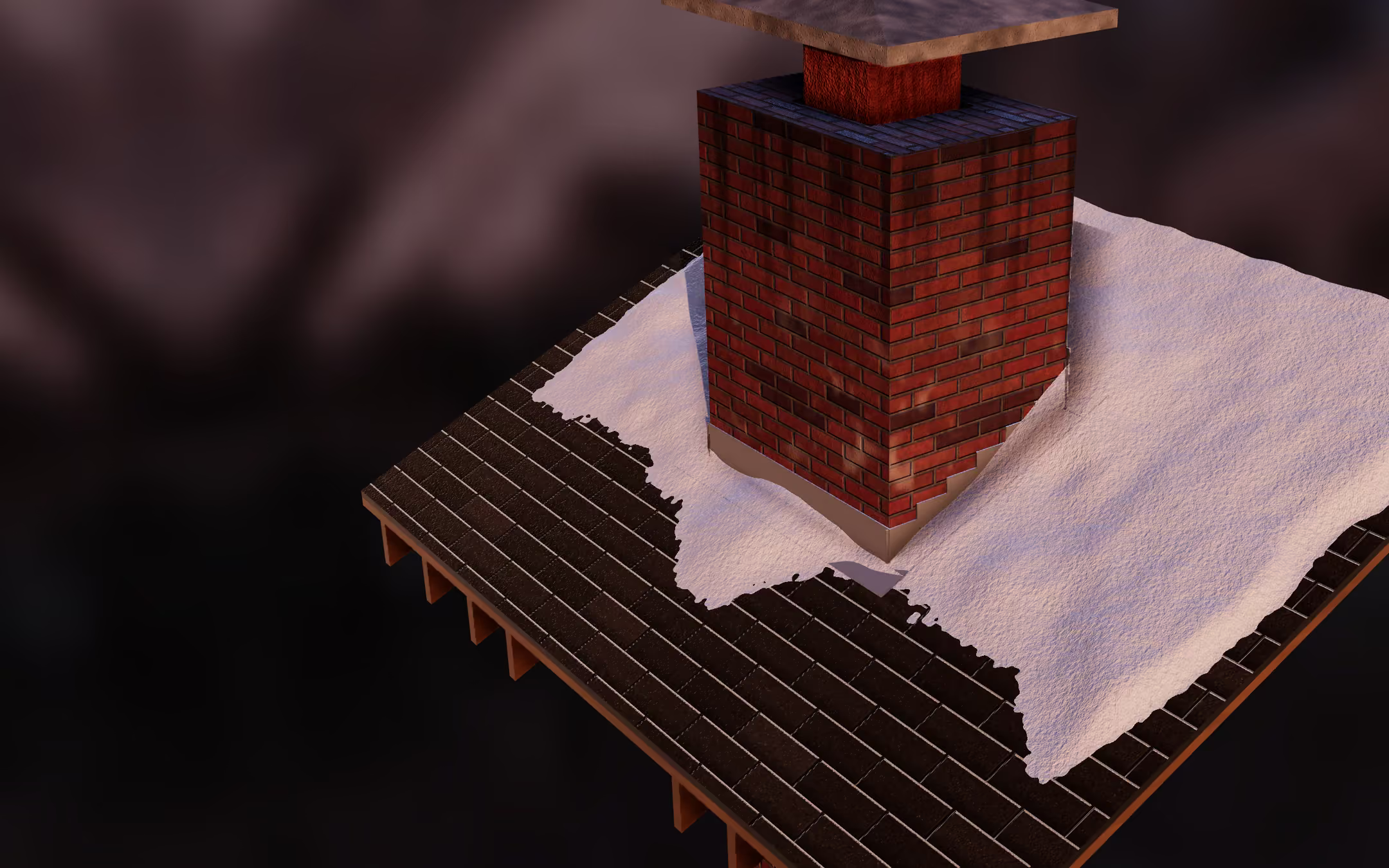
3Where it meets the roof
A metal collar, sealed with a bead of caulk, guards the spot where the stack passes through the roof. Wet snow slides off slowly, so one raised edge lets the melt run in behind the brick.
We check: an edge that curls up, sealant that has cracked, rust streaks, a damp patch on a ceiling below.
Next: Flue liner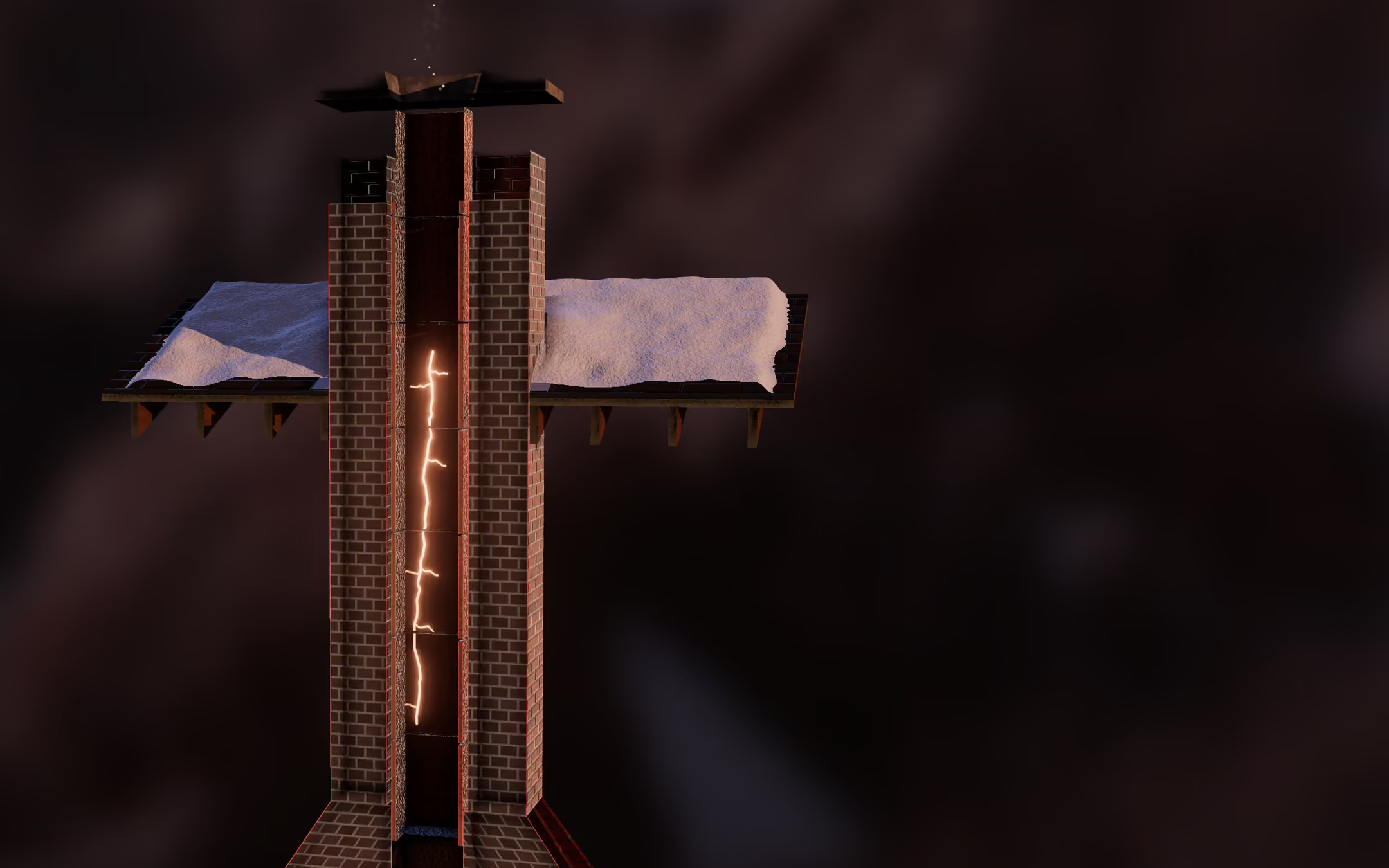
4Behind the brickwork
Smoke and gas climb the liner where nobody sees them. The median Thornton home was built in 1997, which puts a typical flue near thirty years of use, and over a third of the city's homes are older than 1990.
We check: a rusted or open seam, a cracked or shifted tile, a liner that does not suit the appliance.
Next: Smoke chamber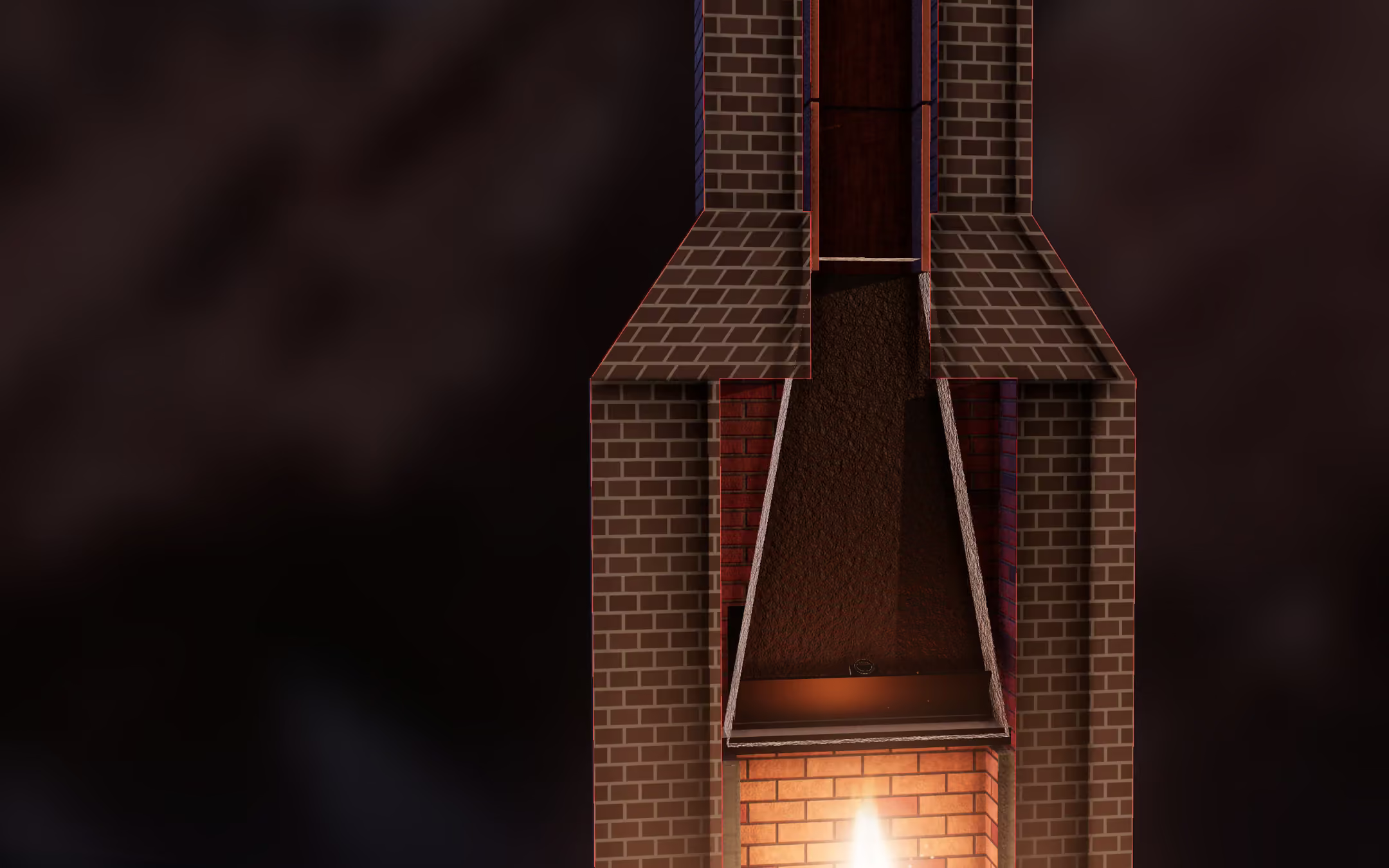
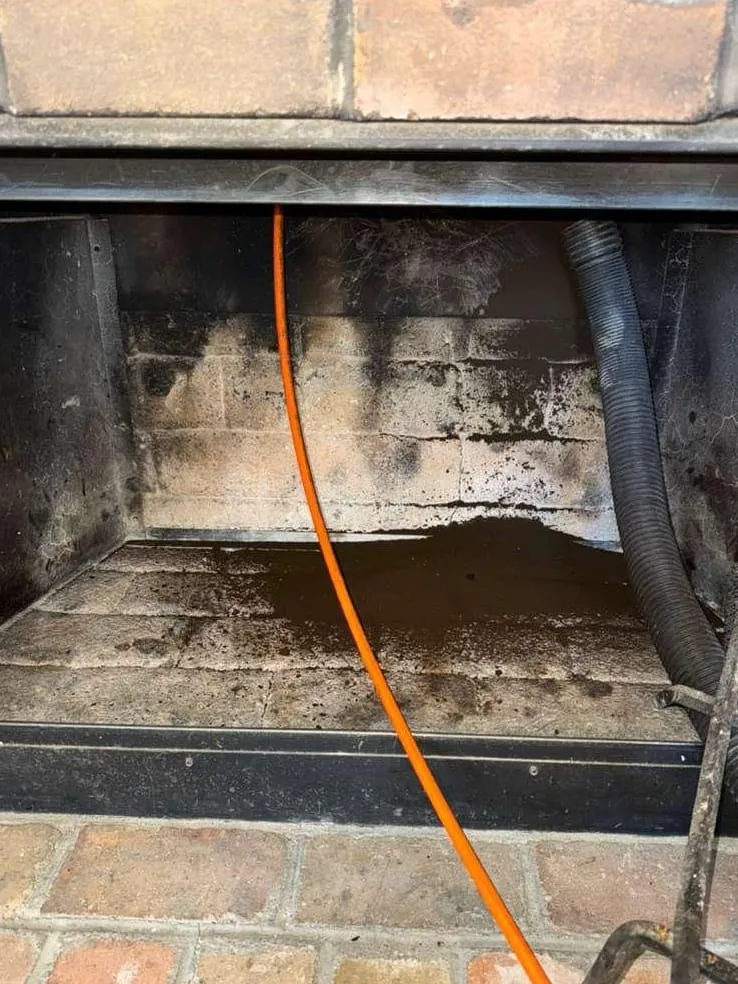
5At the fireplace throat
Just above the damper, the smoke shelf is where soot and creosote land first. A hearth lit on weekends fills slowly and a daily stove fast, but either one fills, and a damper left ajar sends heated room air up the flue all winter.
We check: a glossy or tarry coat, a damper that shuts all the way, a shelf that crumbles or tilts.
Next: Firebox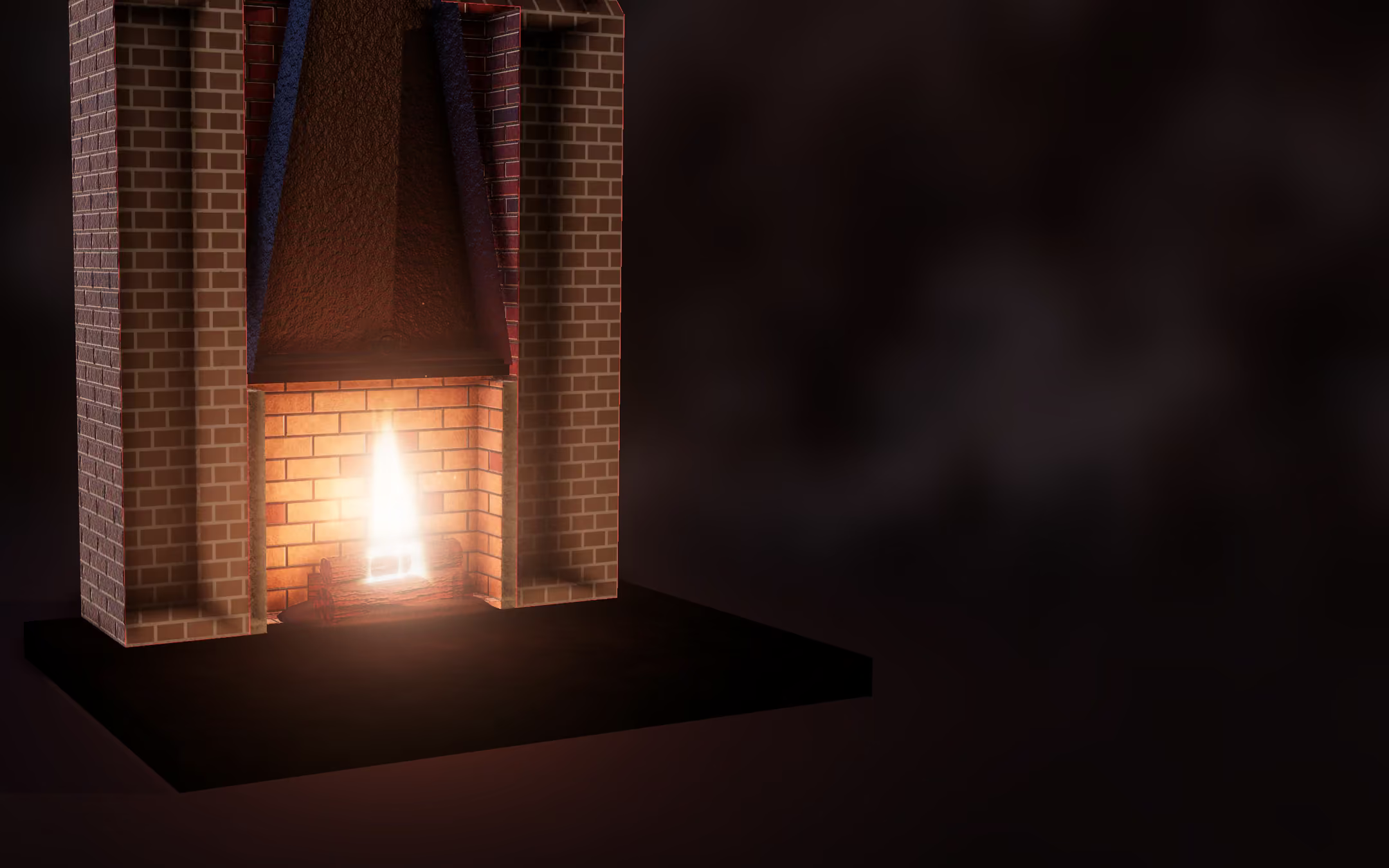
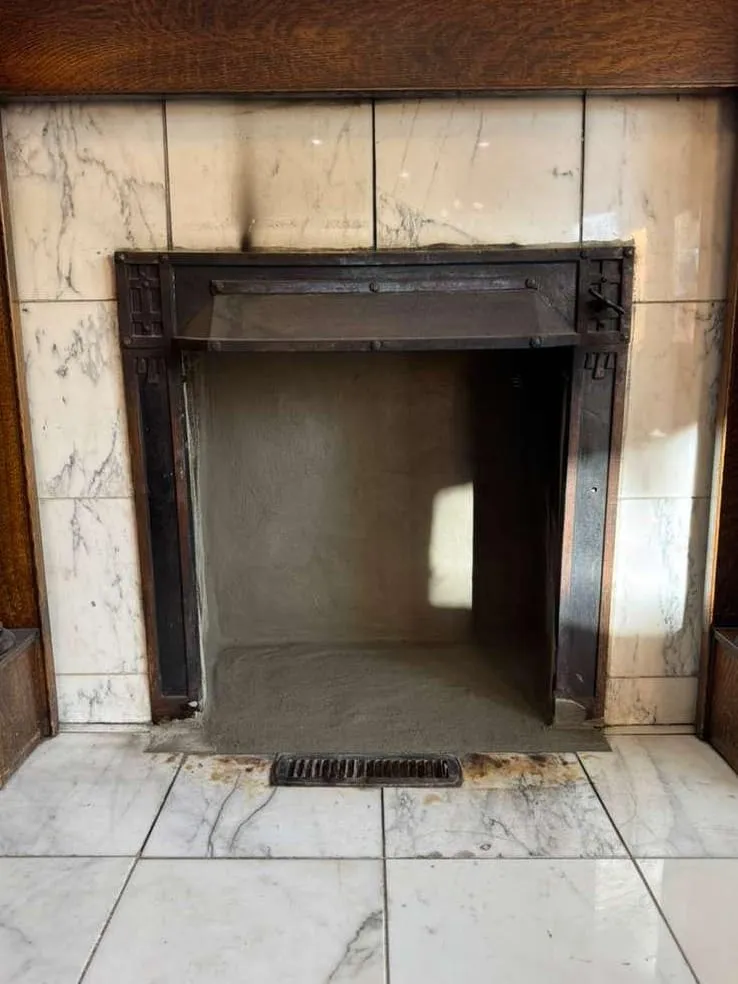
6On the hearth floor
Flames press against the firebox walls. Over the years the firebrick splits and the joints between bricks loosen, and a thin gap is far easier to close than one that has already let heat through to the wall behind.
We check: mortar joints standing open, firebrick that cracks or flakes, a hearth that stays level and firm.
See all six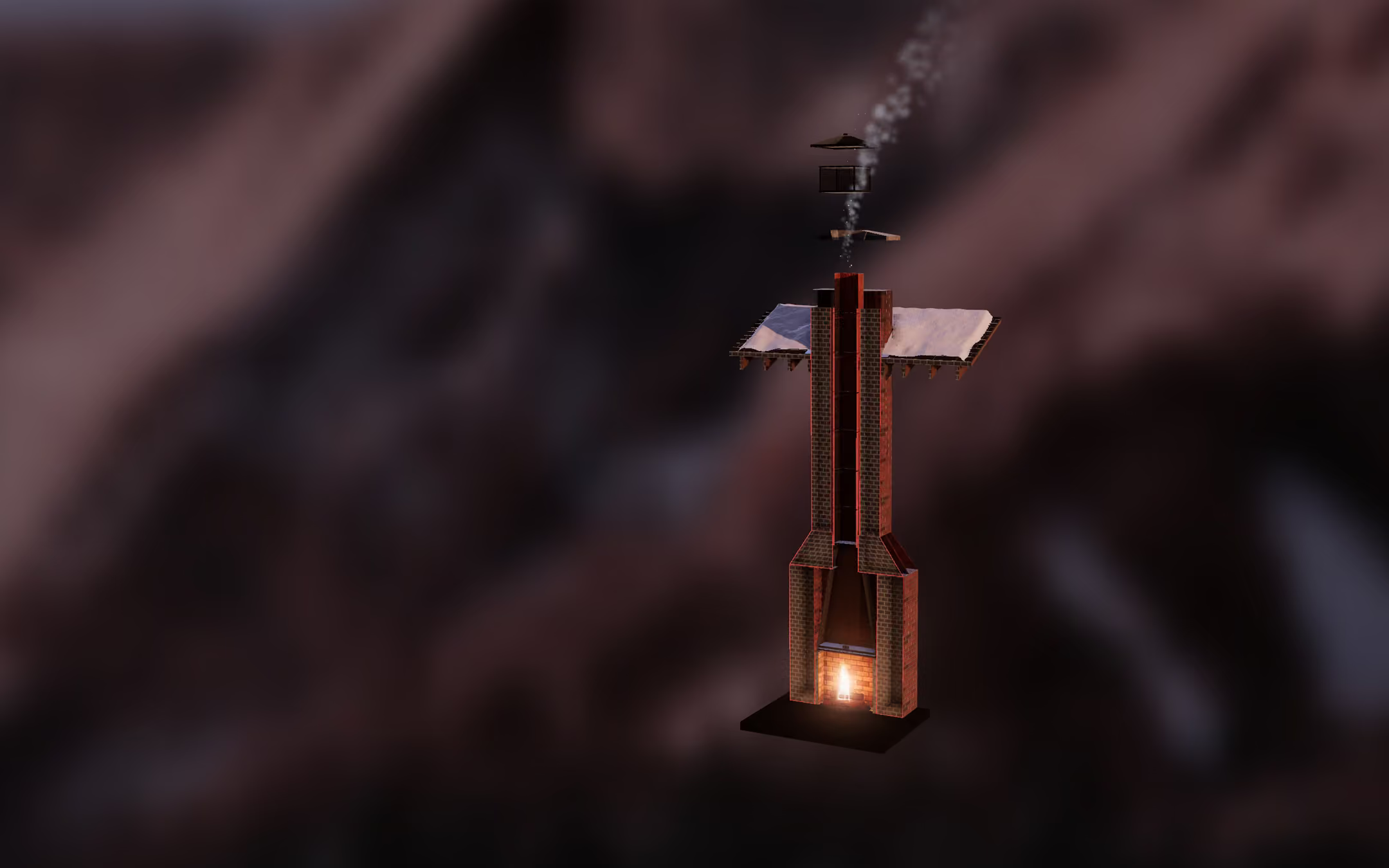
We begin high on the stack and finish at the hearth, part by part.
(720) 964-2146Or ask for a visit online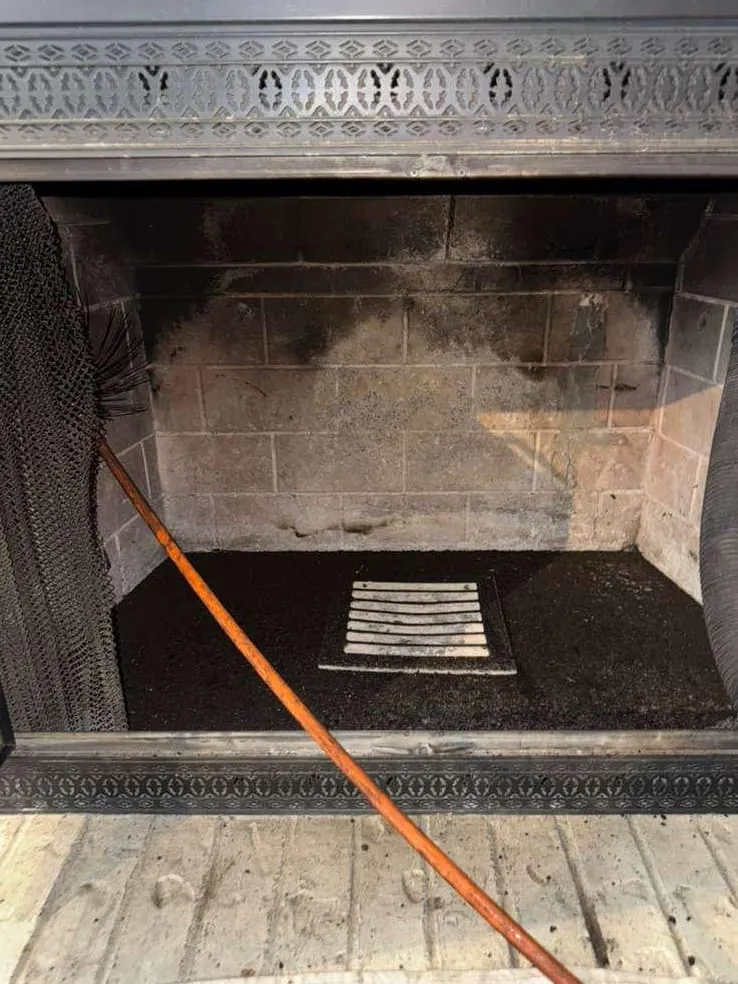
Soot clings to the flue walls and the smoke shelf. Brushes loosen it, then the firebox is cleared out. A clean flue draws well and gives a spark nothing to hold.
Each part from cap to firebox gets a careful look: yearly, after a storm or chimney fire, and again at a sale, which NFPA 211 treats as a Level 2 occasion.
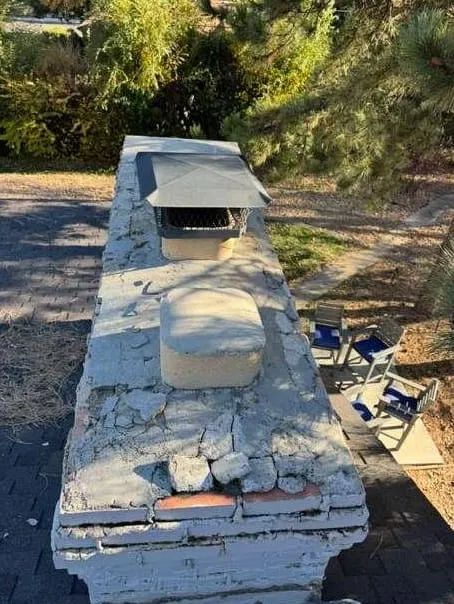
Mortar, firebrick, caps, crowns and flashing are what we mend. Fixing a small fault in autumn is a lighter job than meeting the same fault after a winter of hard freezes.
Cleaning suits fireplaces and stoves that are lit only occasionally: the firebox and shelf cleared of ash and soot, the pipe brushed and the damper opened and closed completely.
Three things the weather brings to this side of the Front Range, and why a small fault is easier to fix early.
01 / 03
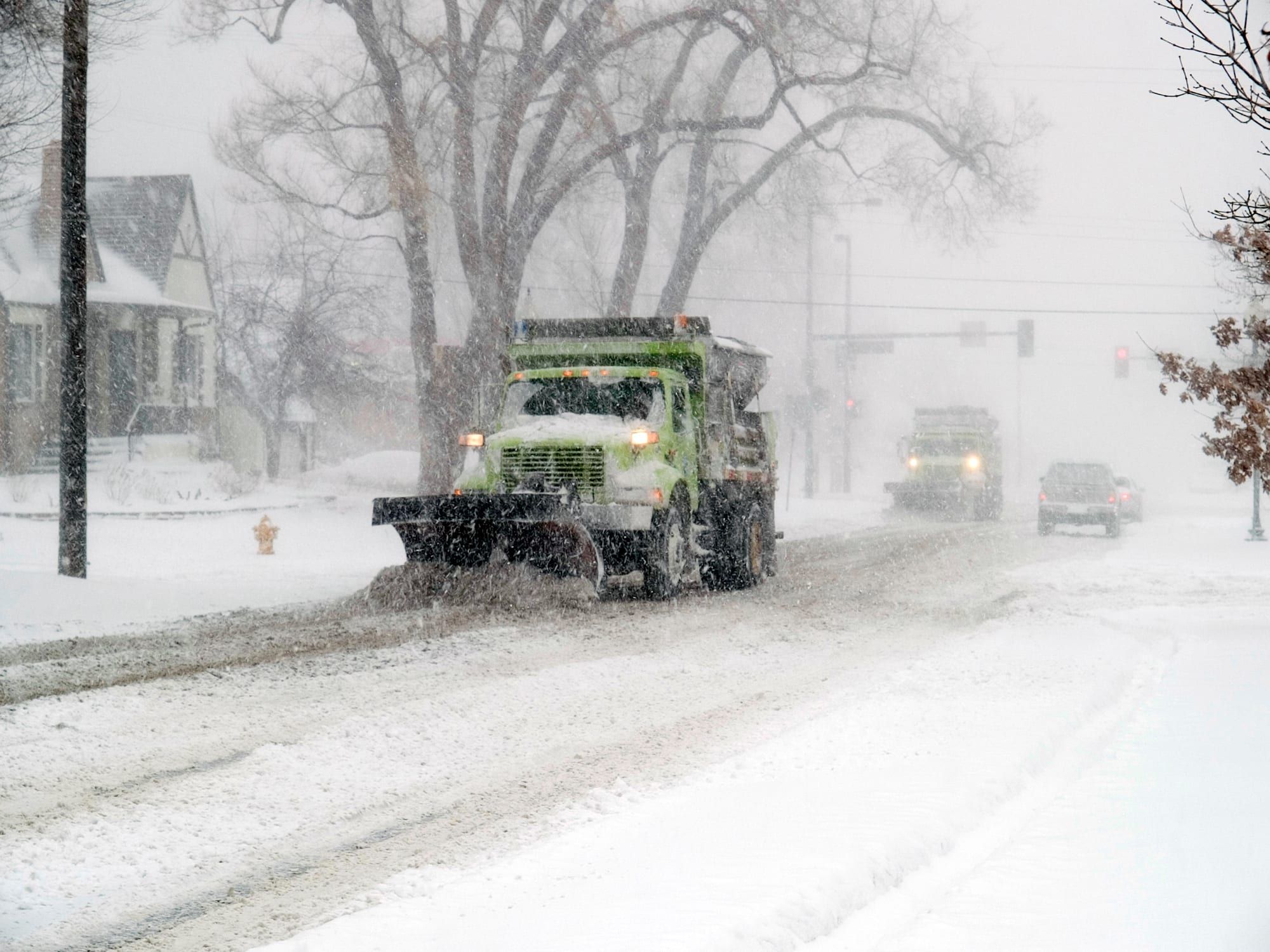
At the Northglenn station, about 2.5 miles from Thornton's Civic Center, the 1991 to 2020 normal low is 32°F or lower on 148.6 days a year and on 28.8 days in January, when the average day runs from 19.0°F to 48.0°F. Melt water that slips into a crack in the afternoon can be ice by dawn, again and again. Weight counts too: for the storm of November 5 to 9, 2024, NWS Boulder lists 12.8 inches at Thornton 1.1 SW and 9.7 inches at Thornton 2.1 N, in snow its summary calls very heavy and wet.
Source: NOAA U.S. Climate Normals 1991 to 2020, Northglenn station; NWS Boulder, November 5 to 9, 2024 snowfall reports
Photo: Michael Rieger (FEMA), Public domain
Photo: Michael Rieger (FEMA), Public domain
02 / 03
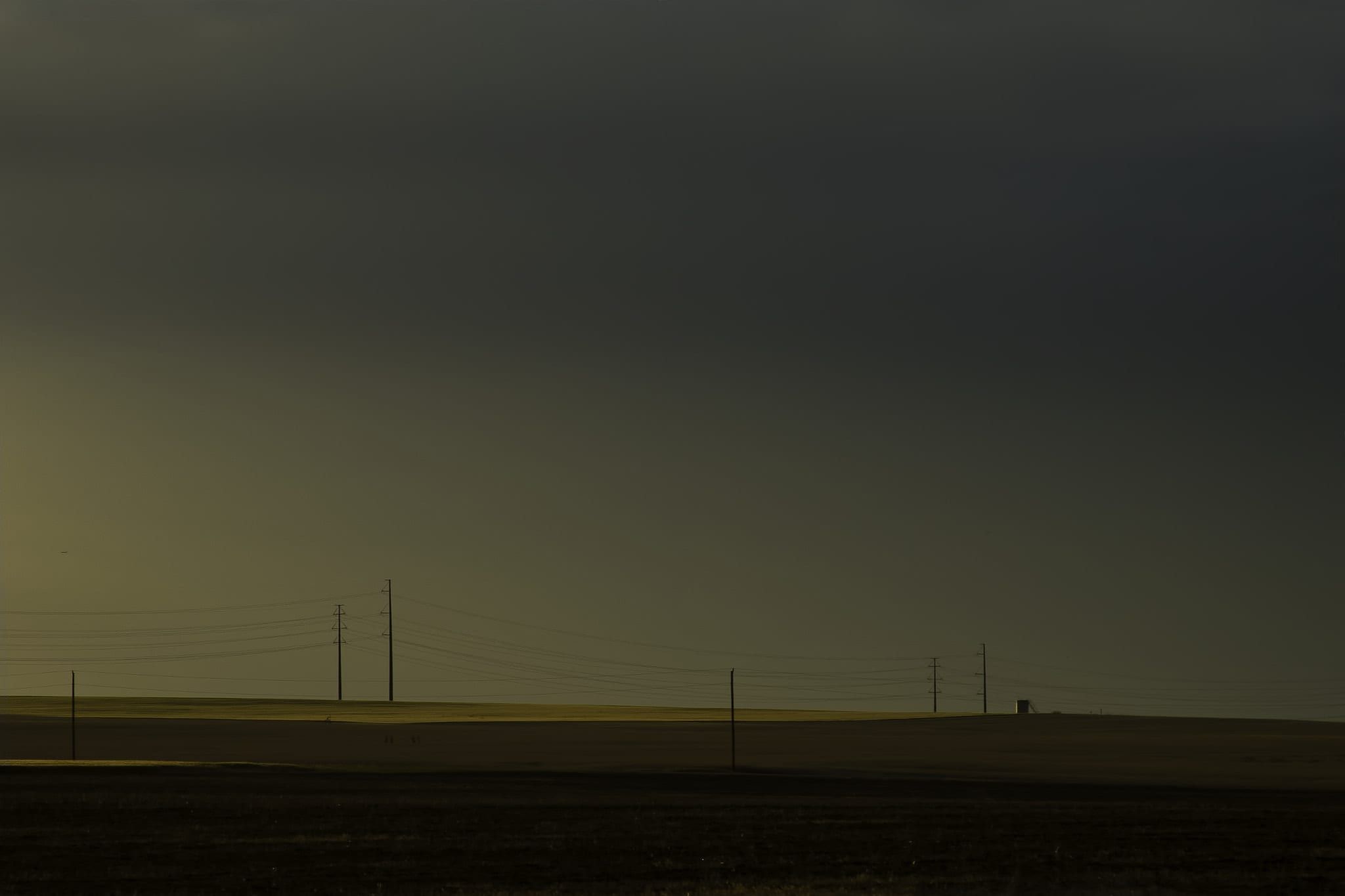
NWS Boulder's summary of the April 6 to 7, 2024 windstorm puts the strongest winds on the plains along and north of a line from Denver to Fort Morgan, with gusts of 60 to 80 mph common, and says up to 150,000 customers lost power at the peak, most of them around Denver. Thornton sits just north of that city. Wind finds the cap and the crown first, so after a blow we look for loose mesh, lifted lids and cracked seams.
Source: NWS Boulder, April 6 to 7, 2024 windstorm summary
Photo: Paul Dineen, CC BY 3.0
Photo: Paul Dineen, CC BY 3.0
03 / 03
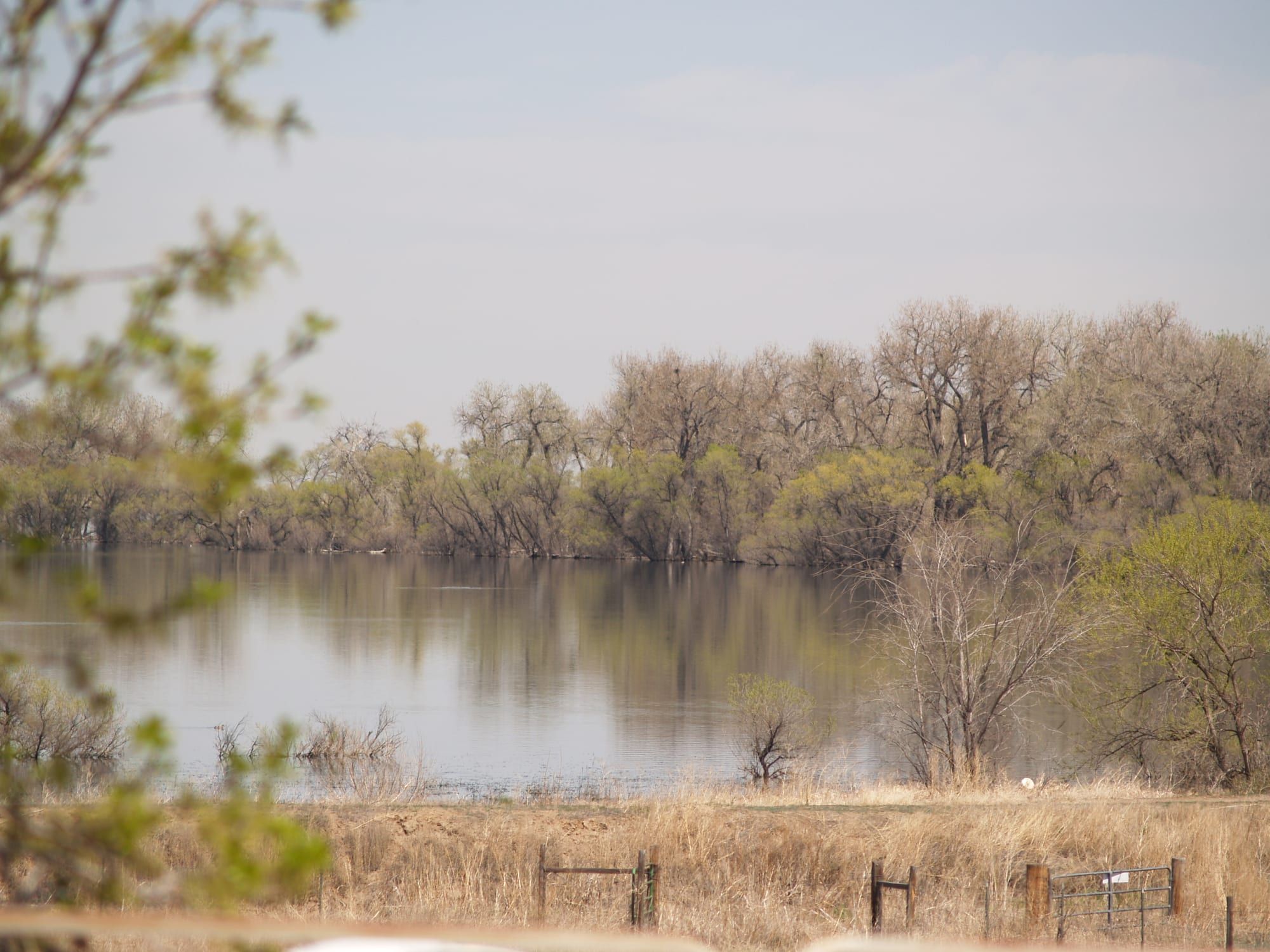
At the Northglenn station the driest month of the 1991 to 2020 normals is January, with 0.45 inch, while December and February bring 0.48 and 0.54. The whole year adds up to 14.51 inches of precipitation. Grass and old shingles dry out fast in air like that, so a spark that escapes the flue has plenty to land on. That is why the mesh of a cap matters: the model residential code allows openings of 1/2 inch at most.
Source: NOAA U.S. Climate Normals 1991 to 2020, Northglenn station; IRC R1003.9.2
Photo: Louis, CC BY-SA 2.0
Photo: Louis, CC BY-SA 2.0
Nine photos from our Google Business Profile.
Tap a tag to jump to that part of the walkthrough above.
We are based in Thornton, a home rule city of Adams County about ten miles north of the Colorado State Capitol. It began in 1953 as farmland off Washington Street, the first fully planned community in the county, and was incorporated in 1956. The map below draws the present city limits and a handful of named spots within them: in the south, in the southwest, just north of both, in the southeast, south of the middle, just north of it, farther north and at the northern edge.
Unsure whether your street falls inside our area? Call (720) 964-2146 and we will tell you.
Terrain: AWS Terrain Tiles. City boundary: U.S. Census Bureau TIGERweb. Names and positions of places: OpenStreetMap contributors.
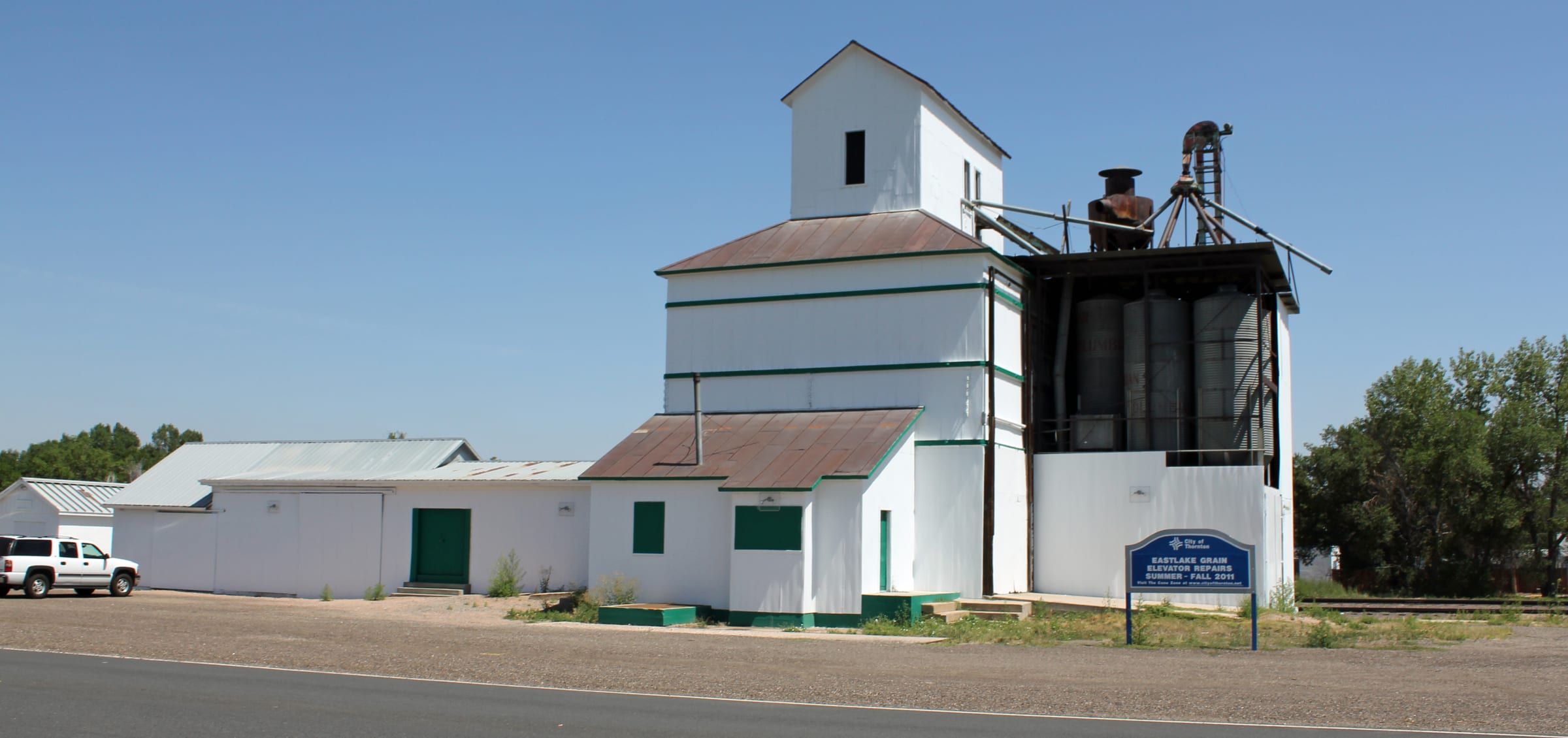
Photo: Jeffrey Beall, CC BY-SA 3.0
Short answers; a figure always comes with its source.
It depends on how you burn, not on the calendar. NFPA 211 advises an annual inspection, and the findings of that visit tell you whether a sweep is due. Census Bureau estimates for 2020 to 2024 put 35,207 of Thornton's 50,566 occupied homes on utility gas and just 13 on wood (margin of error 21), so most fireplaces here serve a cold evening now and then.
Source: NFPA 211; U.S. Census Bureau, American Community Survey 5-year data, 2020 to 2024
Yes. NFPA 211 calls for a Level 2 on a sale or transfer, which adds a look at the attic and crawl space and a video check of the flue to the usual Level 1 inspection. In Thornton the Census Bureau counts 2,261 of the city's 52,250 homes as built in the 1950s and 13,665 in the 2000s, the largest decade, so one block can hold very different chimneys.
Source: NFPA 211; U.S. Census Bureau, American Community Survey 5-year data, 2020 to 2024
Soot and creosote hold odor. In muggy or warm air the flue pulls weakly, and a draft that runs backward can carry the smell into the room. Cleaning out the deposit removes the source, and keeping the damper shut helps hold back what remains.
It is the slab on top of a masonry chimney, and it sheds water off the brick and the flue. Where the January normal is a 19.0°F low and a 48.0°F high, as at the Northglenn station, water that gets into a crack can freeze overnight and push it wider.
Source: NOAA U.S. Climate Normals 1991 to 2020, Northglenn station
Almost always. Besides blocking rain, snow, birds and animals, the cap's mesh stops sparks from escaping, and under the model code (IRC R1003.9.2) its openings may be no wider than 1/2 inch. Whether Thornton applies other rules is a question for the city, which can confirm the codes it has adopted.
Source: International Residential Code, section R1003.9.2
We are based in Thornton. Not sure your address is inside our area, whether you live around Eastlake, in Original Thornton or somewhere else? Phone (720) 964-2146 and we will tell you.
Call (720) 964-2146 (Sunday to Saturday, 7 AM until 9 PM). The form further down accepts a request at any hour, and a person rings you back to agree a time.
Use the form to say what looks wrong, or simply phone. A person rings you back to pick a day.
By form
Any hour, day or night
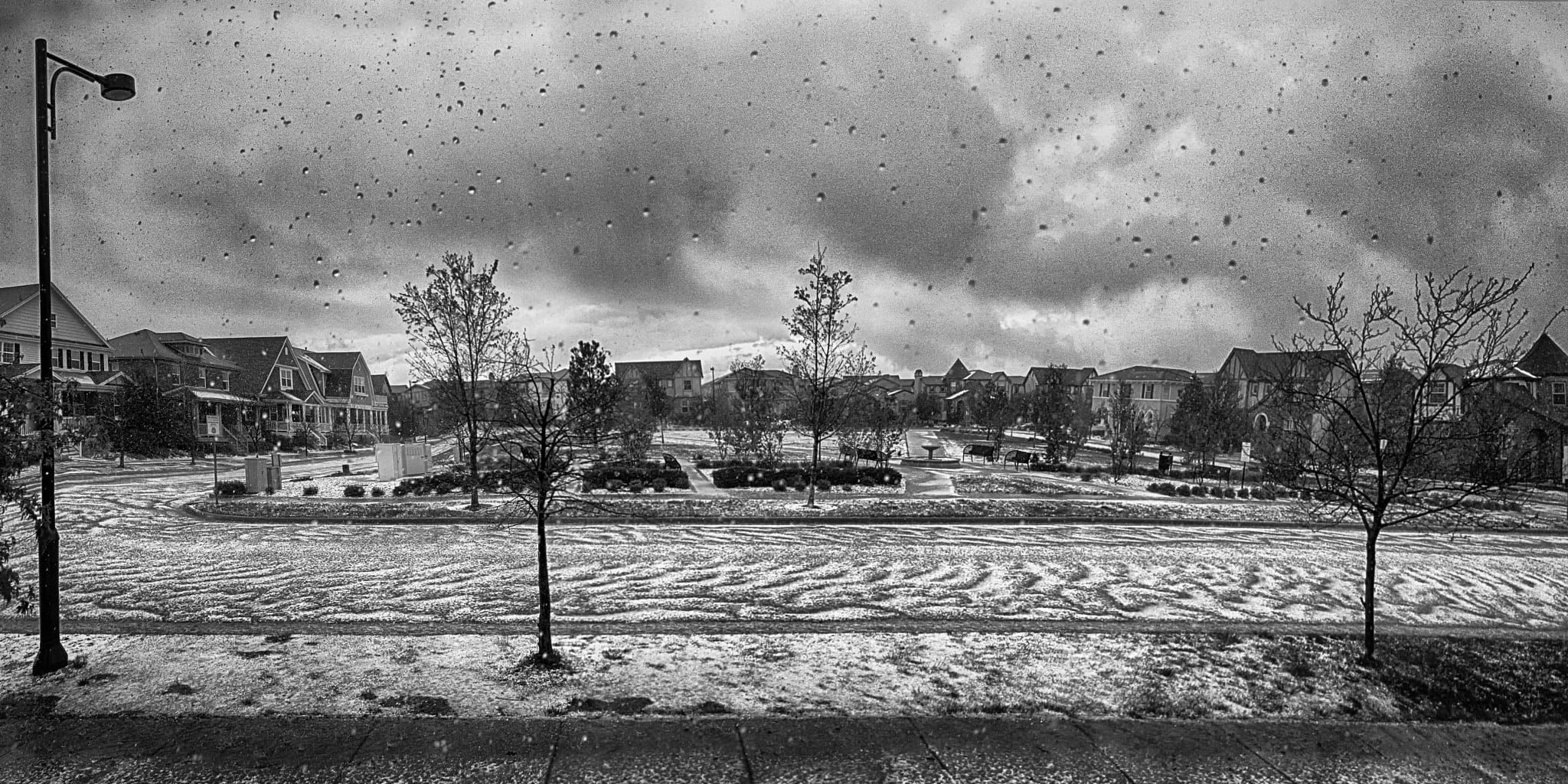
Photo: Hail Storm Park And Streets I, Eric Johnson, CC BY-SA 3.0
Our phone line is staffed Sunday to Saturday, 7 AM until 9 PM, and the form never closes.Taking calls now, until Calls resume . Use the form meanwhile.
Book online