
Chimney inspections in Thornton.
An inspection goes over the chimney part by part, so a small fault is found before it becomes a big one. Phone us, or use the form at a time that suits you.
- reviews on Googleas of
Our phone line is staffed Sunday to Saturday, 7 AM until 9 PM, and the form never closes.Taking calls now, until Calls resume . Use the form meanwhile.
- Book onlineAny hour
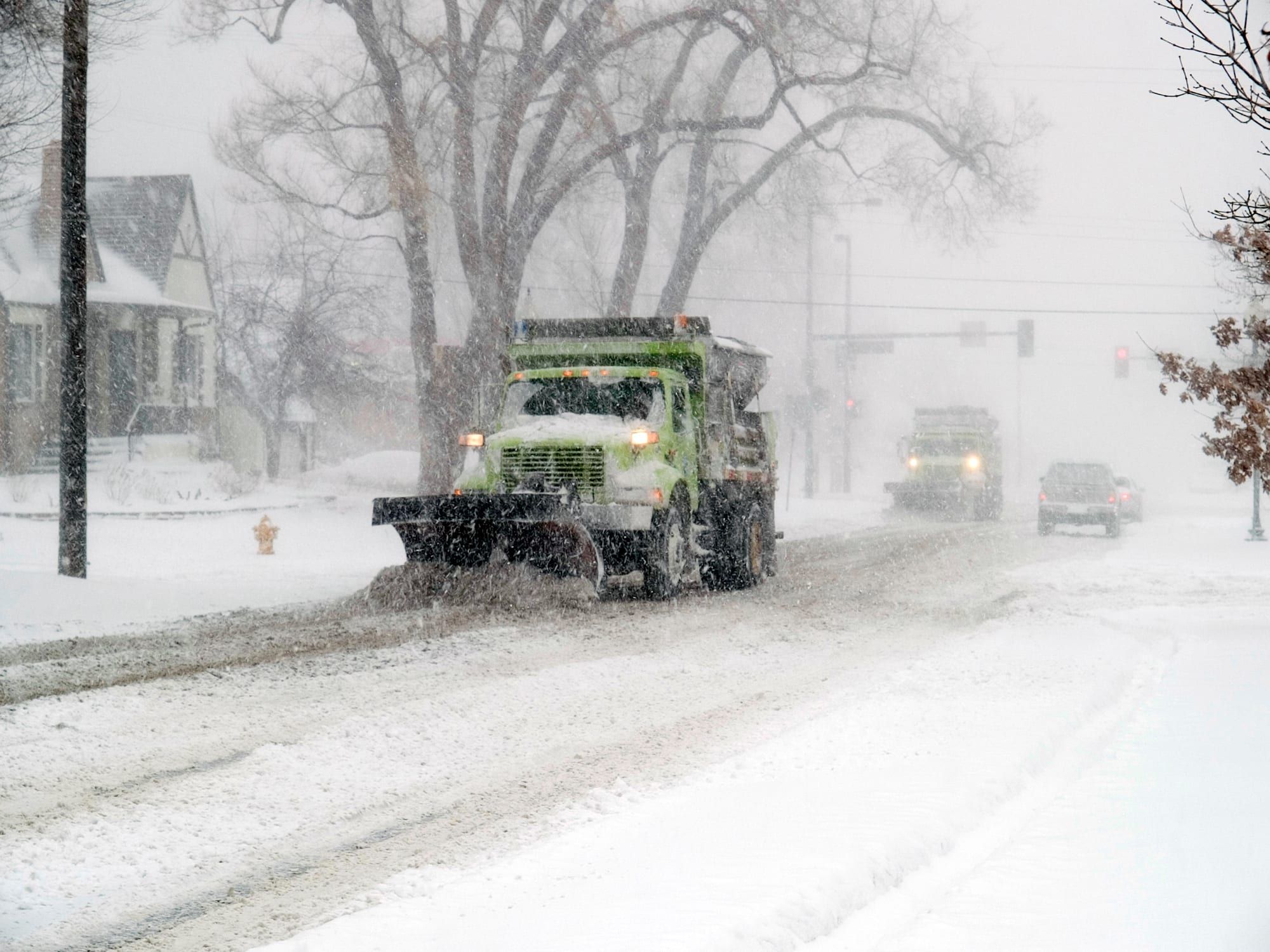
Photo: FEMA - 27666 - Photograph by Michael Rieger taken on 12-20-2006 in Colorado, Michael Rieger (FEMA), Public domain
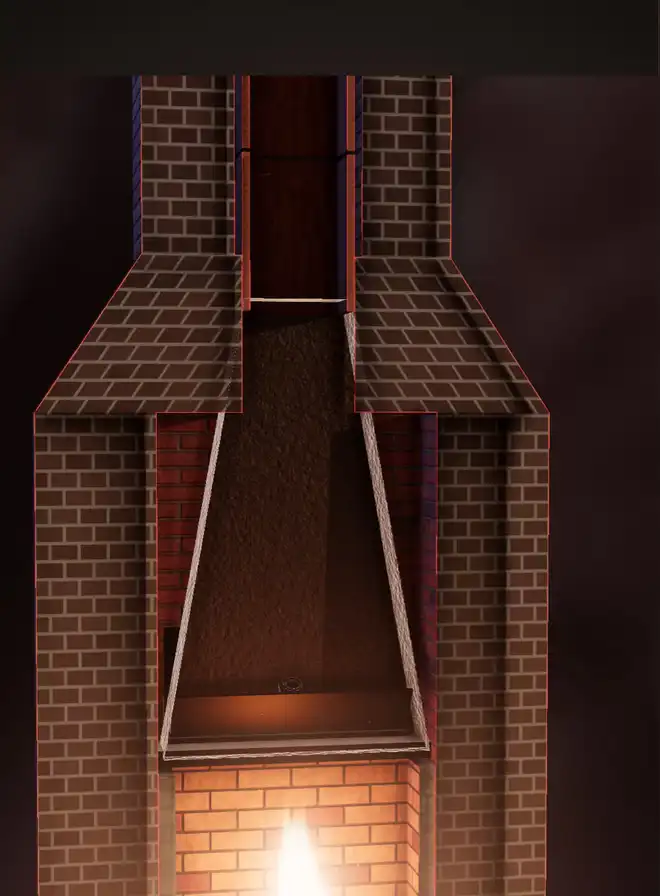
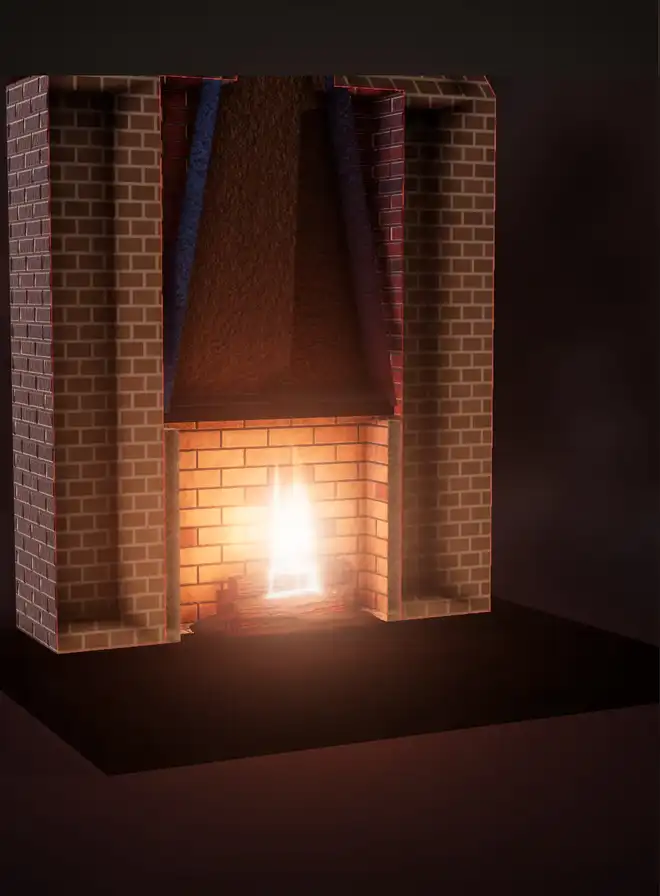
What an inspection covers.
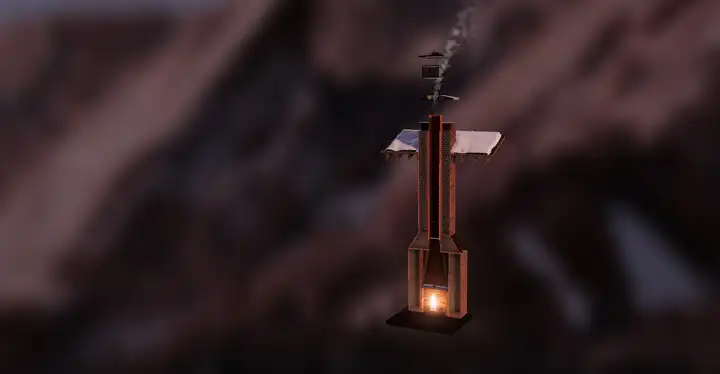
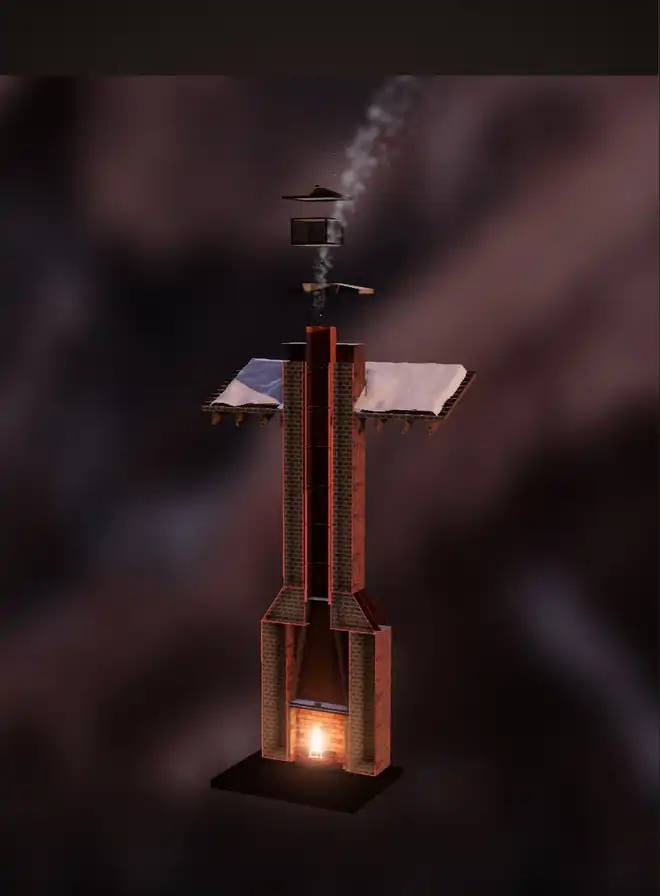
Six parts, cap down to firebox.
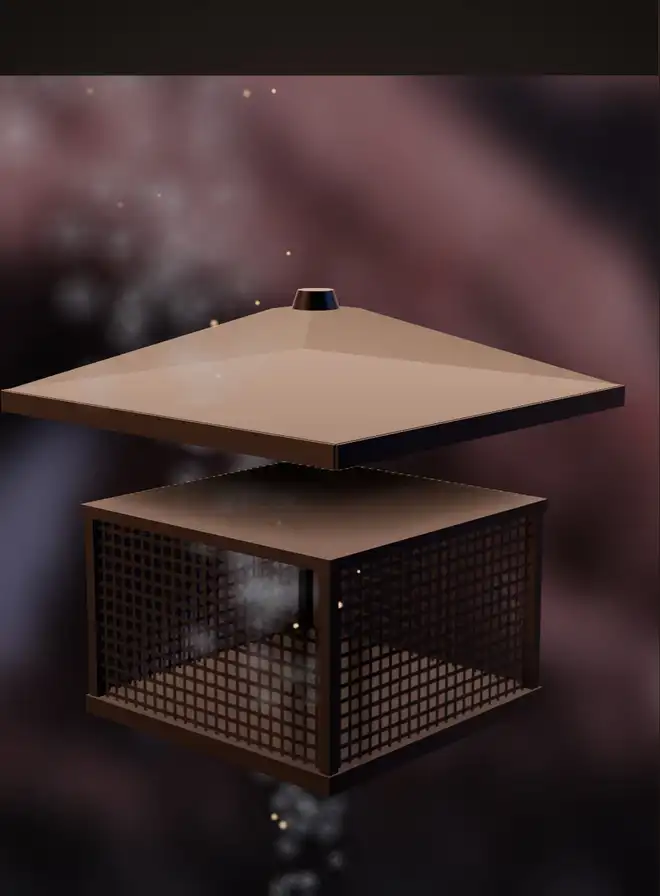
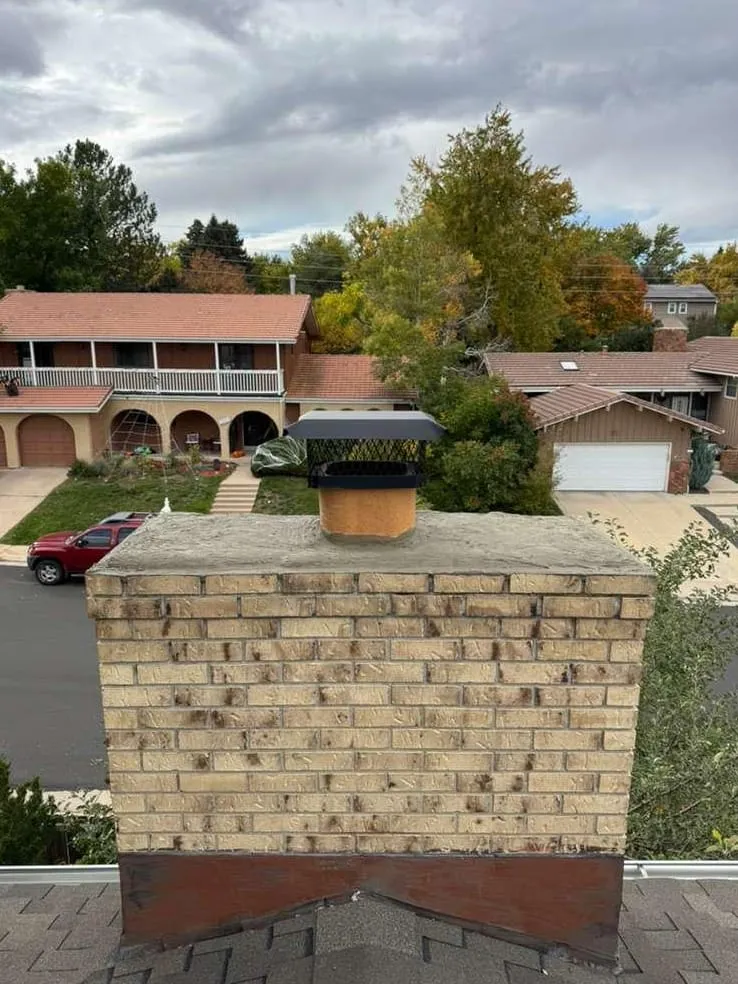
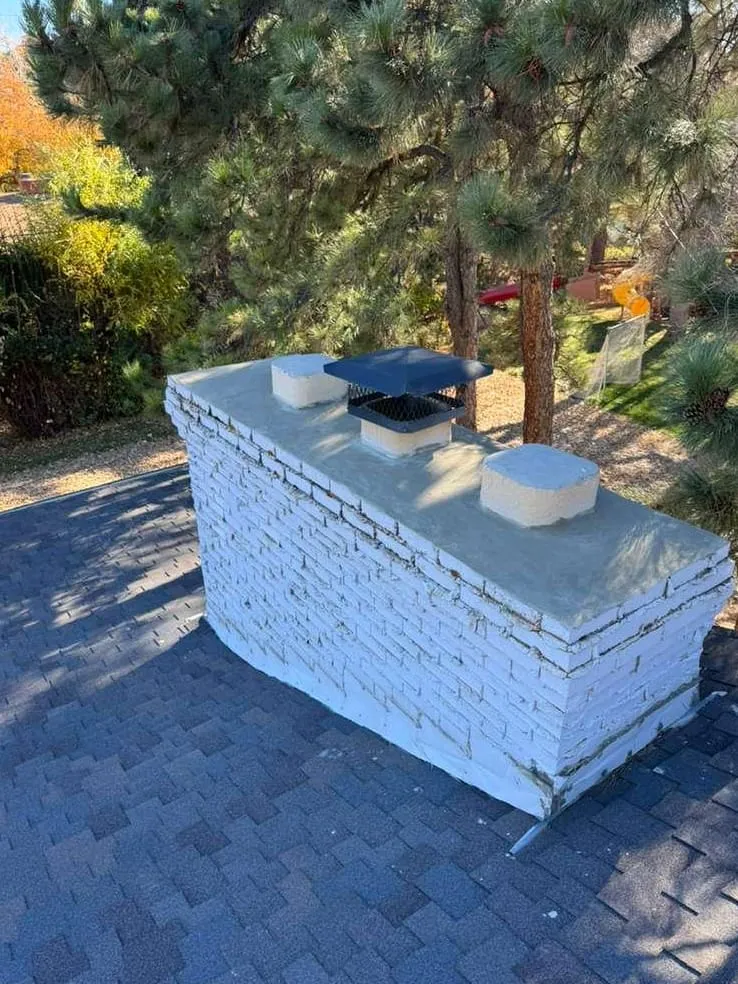
Cap
Up on the roof
Hail, sun and gusts reach the cap first. Its mesh keeps animals out and sparks in, and its lid stops rain and snow from dropping down the flue.
We check: hail dents, mesh that has come loose, rust on the lid and its joins.
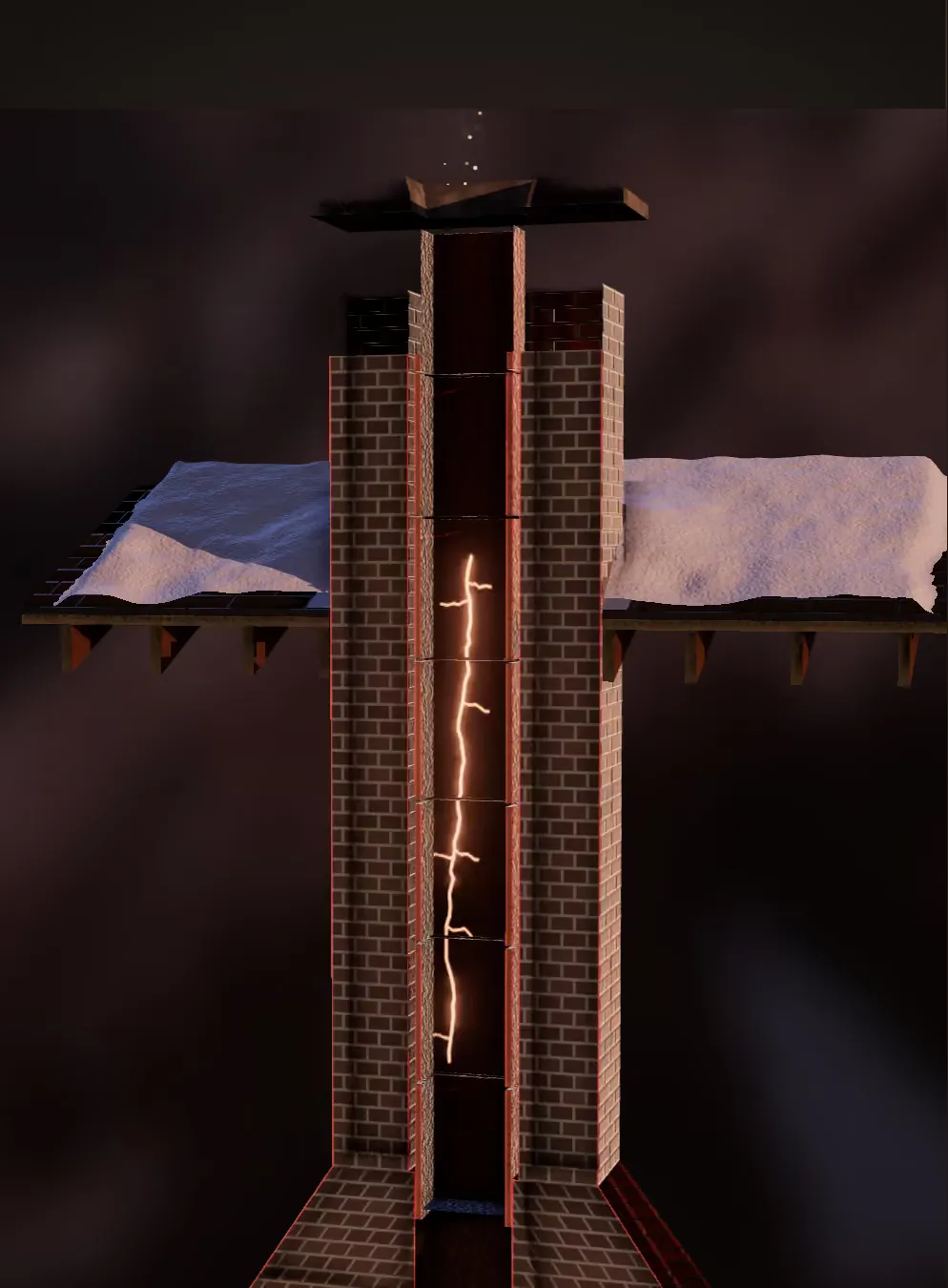
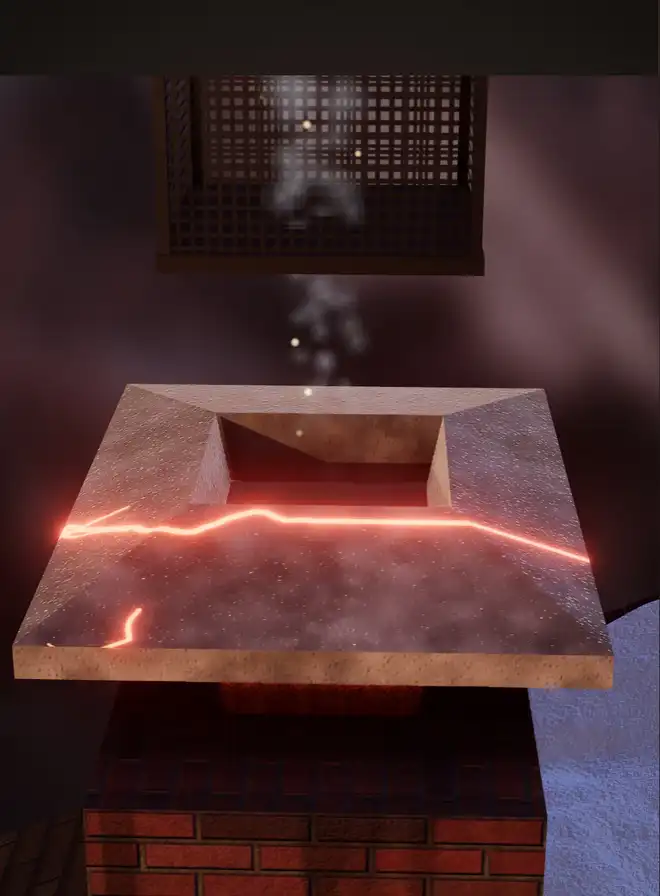
Crown
Right under the cap
A hairline crack in the crown takes in water in the afternoon and holds it through the night; the January normal low at the Northglenn station is 19.0°F.
We check: hairline cracks, crumbling corners, a gap along the slab where it meets the flue.
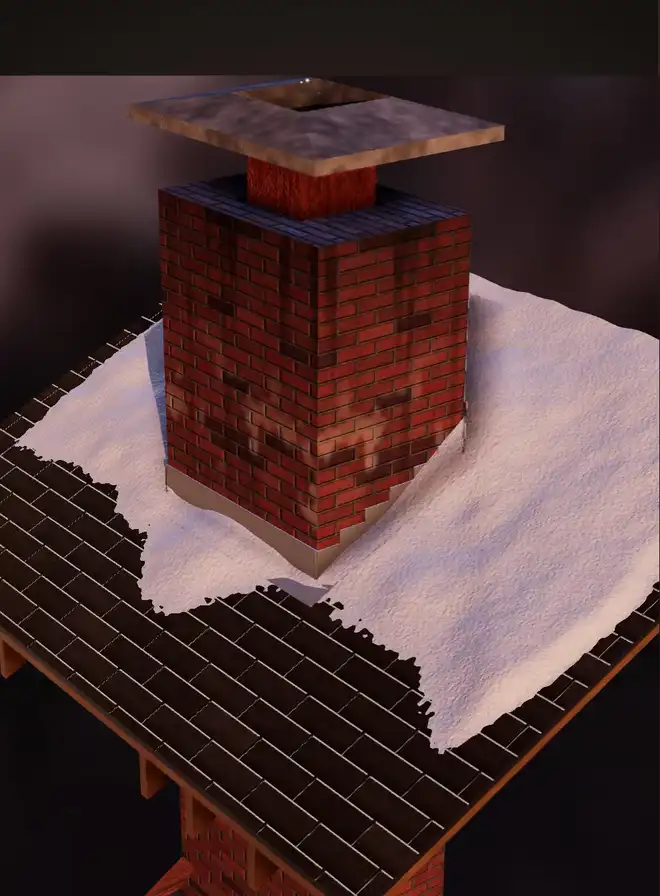
Flashing
Where it meets the roof
Flashing is the metal collar around the base of the chimney, where it meets the roof. Wet snow melts slowly along its uphill edge, and a raised seam lets that water in.
We check: an edge that curls up, sealant that has cracked, rust streaks, a damp patch on a ceiling below.
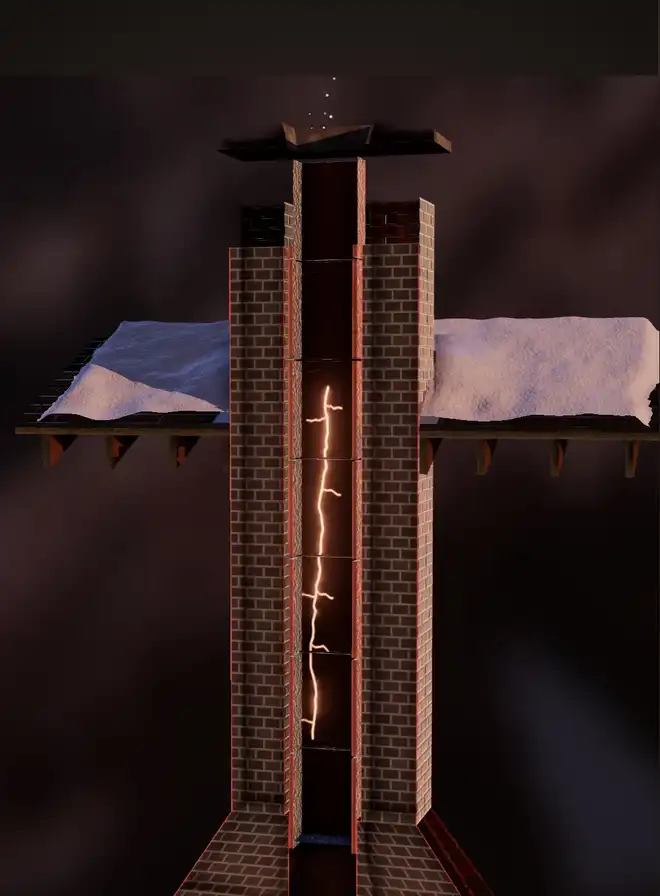
Flue liner
Behind the brickwork
The liner is the passage smoke and gas leave by. The median Thornton home dates from 1997, so a typical flue is close to thirty, long enough for a tile to shift or a seam to rust.
We check: a seam that has rusted or opened, a tile that is cracked or out of line, a liner that does not suit the appliance.
Smoke chamber and damper
At the fireplace throat
The smoke shelf above the damper is where soot and creosote settle first. A hearth lit now and then fills at a crawl and a daily stove at a gallop, but either one fills.
We check: a glossy or tarry coat, a damper that shuts all the way, a shelf that crumbles or tilts.
Firebox
On the hearth floor
Flames press on the firebox walls year after year. The firebrick splits, the joints loosen, and a thin gap is far easier to close than one that has already let heat reach the framing.
We check: mortar joints standing open, firebrick that cracks or flakes, a hearth that stays level and firm.
Three levels of inspection.
NFPA 211, the standard for chimneys, fireplaces and vents, describes three levels of inspection, each going further than the last.
Level 1
An ordinary chimney in steady use, with nothing changed.
Covers Everything visible and within reach, with nothing dismantled.
Level 2
A sale or change of owner, a heating setup that has been altered, a chimney fire, or some other incident that might have damaged the system.
Covers A Level 1 look, plus the attic and crawl space, with a camera sent through the flue.
Level 3
A concealed hazard is suspected and a Level 2 left the doubt unresolved.
Covers Level 2 work plus the hidden parts, which may require removing part of the structure.
Source: NFPA 211.Ask for an inspection
When to book one.
Waiting for a symptom finds trouble late. These are the moments that justify an inspection.
Early in the fall.
NFPA advises one inspection a year; the weeks before the first fire of the season make a sensible moment.
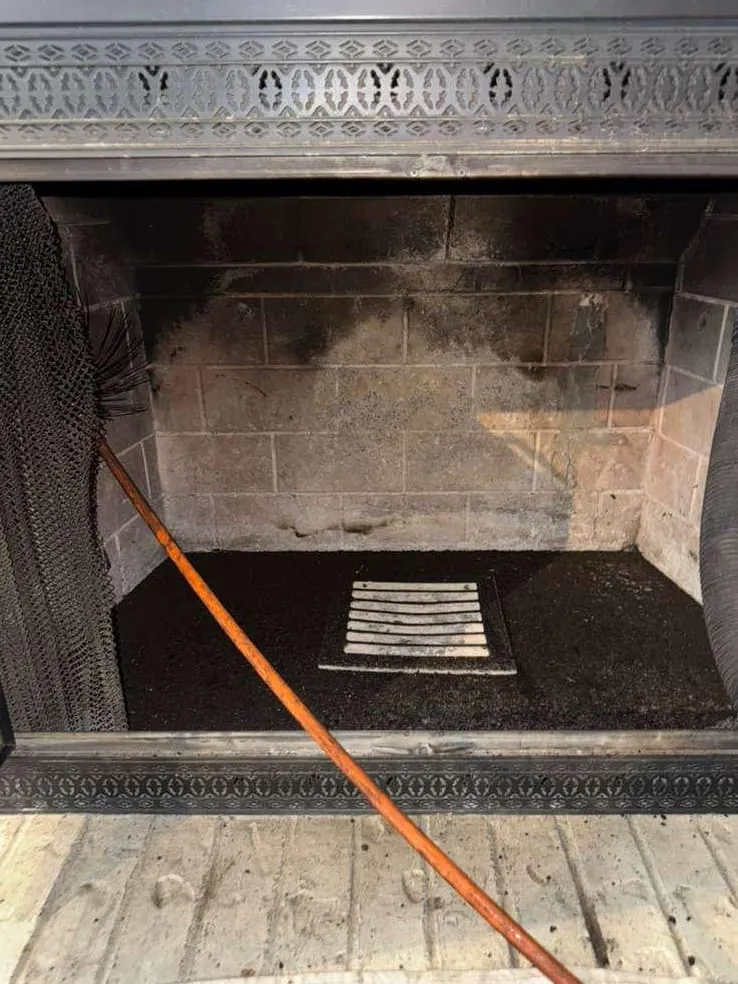
From our Google Business Profile When a home is sold.
A sale or transfer is a Level 2 occasion under NFPA 211, which includes a camera pass through the flue. Thornton's homes span several eras: the Census Bureau (ACS 2020 to 2024) counts 2,261 of its 52,250 as built in the 1950s and 7,674 as built from 2010 to 2019, so neighbors' chimneys can differ a great deal.
From our Google Business Profile Following a chimney fire.
NFPA 211 lists a chimney fire among the Level 2 occasions, as it does any other event that could have harmed the system.
From our Google Business Profile After heavy snow or high wind.
The highest parts take snow and wind first: the cap, the crown and the flashing. NWS Boulder's reports for the November 5 to 9, 2024 storm list 12.8 inches of snow at Thornton 1.1 SW, and its April 6 to 7, 2024 windstorm summary calls gusts of 60 to 80 mph common along and north of a line from Denver to Fort Morgan.
Photo: Adams County Road Colorado Between Th And Th O, Paul Dineen, CC BY 3.0
Questions about inspections.
Short answers, with a source named where one exists.
Is a yearly inspection required by law?
NFPA 211 advises it. Whether a legal requirement applies to your home is a question for local codes, and sweeping is timed by how much you burn, not by the same calendar.
Should the chimney be checked before a home purchase or sale?
Yes, since NFPA 211 lists a sale or transfer among the Level 2 occasions. A Level 2 brings in the attic and crawl space and sends a camera up the flue, where a Level 1 covers only what a hand can reach.
What gets looked at?
Top to bottom: the cap, crown and flashing on the roof, then the liner, then the smoke chamber with its damper, and finally the firebox. Each part's checklist is given above.
How do I arrange an inspection?
Call (720) 964-2146 (Sunday to Saturday, 7 AM until 9 PM); the form below takes requests at any hour.
Set up your chimney visit.
Use the form to say what looks wrong, or simply phone. A person rings you back to pick a day.
- 1Reach out Call the office, or send a few lines on the form.
- 2A person rings back Someone phones to find a day that suits you.
- 3Cap to firebox The visit works down the chimney in order, the roofline first and the hearth last.
- 4Your call We say what we found, and you decide what comes next.
By form
Any hour, day or night
Photo: Hail Storm Park And Streets I, Eric Johnson, CC BY-SA 3.0
Planning a fire before the first hard freeze, or puzzled by something up on the roof? Ask us.
Our phone line is staffed Sunday to Saturday, 7 AM until 9 PM, and the form never closes.Taking calls now, until Calls resume . Use the form meanwhile.
Book online